
Managing a luxury outdoor space in South East London can feel like a balancing act between beauty, convenience, and sustainability. As more discerning homeowners seek innovative ways to keep gardens thriving, the rise of garden automation offers both intelligence and efficiency without losing the personal touch. Discover how bespoke, eco-friendly garden automation blends cutting-edge technology with thoughtful design to elevate your outdoor living experience while supporting a greener future.
Table of Contents
- Garden Automation Defined and Common Myths
- Key Types of Garden Automation Systems
- How Smart Gardens Work in Practice
- Luxury Use Cases in London Homes
- Costs, Risks, and Eco-Sustainability Impact
Key Takeaways
| Point | Details |
|---|---|
| Understanding Garden Automation | Garden automation integrates technology to enhance gardening efficiency, augmenting human efforts rather than replacing them. |
| Accessibility of Technology | Modern garden automation solutions are becoming more user-friendly and affordable, countering the myth of them being prohibitively expensive. |
| Enhanced Resource Management | Smart gardens utilise sensor networks and automated systems for improved resource management, leading to sustainable gardening practices. |
| Investment Considerations | While initial costs for garden automation can be high, long-term savings and efficiency gains can justify the investment. |
Garden Automation Defined and Common Myths
Garden automation represents a revolutionary approach to managing outdoor spaces, leveraging advanced technologies to streamline gardening tasks and enhance overall landscape maintenance. At its core, garden automation involves integrating intelligent systems and robotic technologies that reduce manual labour and improve garden efficiency.
The Defra-led review of automation defines garden automation as the strategic use of robotic and technological solutions to improve productivity in horticultural environments. This definition challenges several prevalent misconceptions about what automation truly means:
- Automation is NOT a complete replacement for human skills
- Technology augments human labour, rather than eliminating it
- Garden automation requires strategic implementation and ongoing management
Common myths surrounding garden automation often misrepresent its actual capabilities. Many homeowners mistakenly believe that automated systems are prohibitively expensive or complicated. However, modern garden automation technologies are becoming increasingly accessible and user-friendly.
The Horticultural Trades Association (HTA) emphasises that automation enables sustainable production while addressing critical challenges like labour shortages and environmental targets. Automation isn’t about removing human touch, but enhancing our ability to create more efficient, responsive garden environments.
Pro Tip: Start small with garden automation by investing in a single smart irrigation system or robotic lawn mower to understand how technology can complement your gardening approach.
Key Types of Garden Automation Systems
Garden automation encompasses a diverse range of technological solutions designed to simplify landscape management and enhance garden productivity. Advanced robotic platforms represent the cutting edge of garden technology, offering sophisticated capabilities that transform traditional gardening approaches.
Key types of garden automation systems include:
- Precision Irrigation Systems: Intelligent water management technologies that monitor soil moisture and deliver targeted hydration
- Robotic Weeding Platforms: Autonomous machines that identify and remove unwanted vegetation with minimal human intervention
- Environmental Sensor Networks: Smart monitoring systems tracking temperature, humidity, nutrient levels, and plant health
- Automated Lawn Maintenance: Robotic lawn mowers that navigate garden spaces independently
The Horticultural Trades Association highlights that these automation technologies address critical labour shortages while dramatically improving garden maintenance efficiency. Modern systems integrate advanced sensors, machine learning algorithms, and precise mechanical controls to create intelligent, responsive garden environments.
These technological solutions are not about replacing human gardeners but enhancing their capabilities. By automating repetitive tasks, garden automation allows homeowners and professional landscapers to focus on creative design, strategic planning, and more complex horticultural challenges.
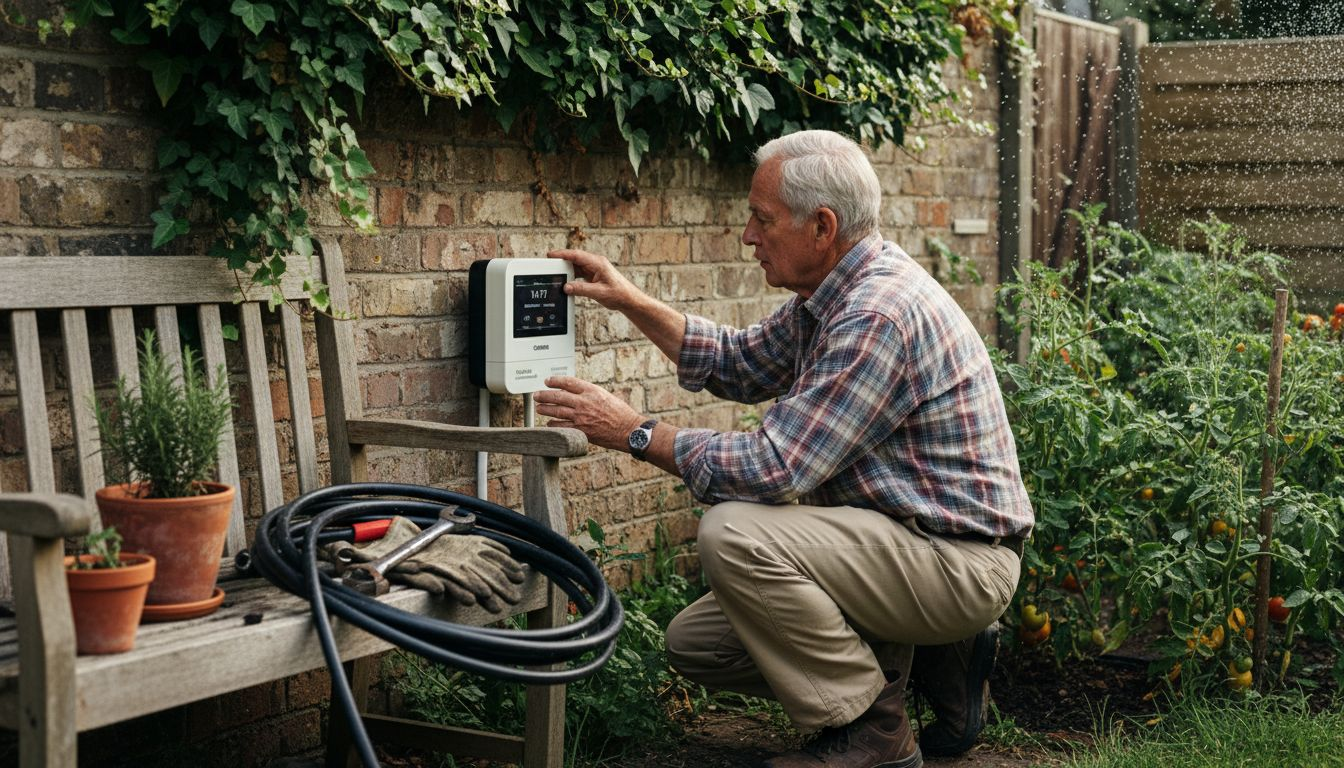
Pro Tip: Consider starting with a smart irrigation system or robotic lawn mower as your first garden automation investment to experience the benefits without overwhelming complexity.
Here’s how popular garden automation systems differ in function and impact:
| System Type | Key Function | Example Impact |
|---|---|---|
| Precision Irrigation | Smart watering control | Cuts water waste, healthier plants |
| Robotic Weeding | Autonomous unwanted plant removal | Less manual work, fewer herbicides |
| Sensor Networks | Continuous environmental monitoring | Better plant care, improved yields |
| Automated Lawn Mowing | Self-guided grass cutting | Saves time, uniform lawns |
How Smart Gardens Work in Practice
Smart gardens represent a sophisticated integration of technology and horticulture, transforming traditional gardening approaches through intelligent monitoring and responsive systems. Urban green space research demonstrates how these technologies can dramatically improve environmental outcomes and human interaction with outdoor spaces.
The practical implementation of smart garden systems involves several key technological components:
- Sensor Networks: Real-time environmental monitoring systems
- Automated Irrigation Controls: Precise water management technologies
- Machine Learning Algorithms: Predictive plant health and maintenance systems
- Robotic Intervention Tools: Autonomous weeding and maintenance equipment
The Defra review highlights how smart garden technologies optimise resource management by providing unprecedented levels of data and operational precision. These systems collect continuous information about soil conditions, plant health, moisture levels, and environmental parameters, enabling gardeners to make data-driven decisions.
Modern smart garden technologies go beyond simple automation. They create an interconnected ecosystem where sensors communicate, algorithms analyse complex data, and robotic systems can respond dynamically to changing garden conditions. This approach allows for more sustainable, efficient, and responsive garden management that adapts to specific microenvironmental conditions.
Pro Tip: Start with a single smart sensor system to understand your garden’s unique microclimate before investing in more complex automation technologies.
Luxury Use Cases in London Homes
London’s most discerning homeowners are transforming their outdoor spaces through cutting-edge garden automation technologies that blend sophistication with environmental intelligence. Smart infrastructure projects are revolutionising how high-end residential properties integrate technology with landscape design, creating personalised, low-maintenance garden environments.
Luxury garden automation use cases in London homes typically include:
- Intelligent Irrigation Systems: Smartphone-controlled water management
- Climate-Adaptive Lighting: Automated landscape illumination responding to environmental conditions
- Robotic Maintenance: Autonomous lawn mowers and precision gardening equipment
- Integrated Sensor Networks: Real-time environmental monitoring and plant health tracking
The City of London Infrastructure Delivery Plan reveals how high-end residential developments are incorporating sophisticated garden automation technologies. These systems go beyond mere convenience, offering homeowners unprecedented control and insight into their outdoor living spaces while maintaining aesthetic elegance and environmental sustainability.
Modern luxury garden automation transforms gardens from static landscapes into dynamic, responsive environments. Homeowners can now monitor soil conditions, adjust irrigation precisely, control landscape lighting, and maintain garden health – all through intuitive smartphone interfaces that integrate seamlessly with smart home ecosystems.
Pro Tip: Consult with a professional garden automation specialist to design a bespoke system that complements your specific garden’s microclimate and aesthetic requirements.
Costs, Risks, and Eco-Sustainability Impact
Garden automation technologies represent a significant investment with complex financial and environmental considerations. Defra’s comprehensive review explores the nuanced landscape of implementation costs, potential risks, and sustainability implications for modern horticultural technologies.
Key financial and risk factors include:
- Initial Investment Costs: Substantial upfront equipment expenses
- Technological Reliability: Potential system failures and maintenance requirements
- Skills Adaptation: Necessary training for effective technology management
- Labour Market Disruption: Potential workforce displacement concerns
The environmental impacts of garden automation are particularly noteworthy. Academic sustainability research reveals a complex interplay between technological efficiency and ecological outcomes. While automation can significantly reduce resource consumption through precision management, there’s a critical need to balance technological intervention with genuine environmental stewardship.
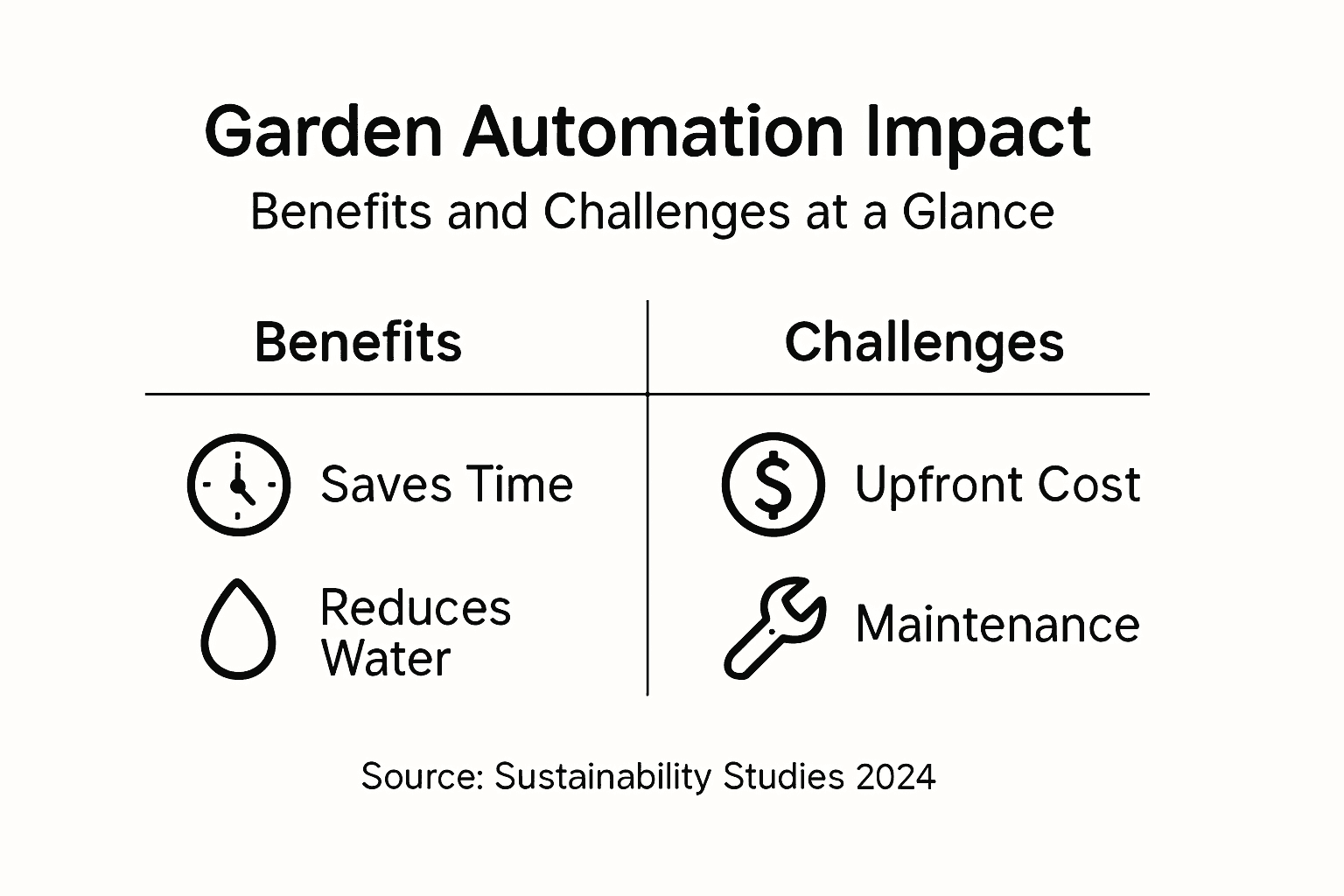
Sustainability benefits emerge through reduced chemical usage, precise water management, and enhanced biodiversity monitoring. Advanced sensor networks enable gardeners to make data-driven decisions that minimise ecological footprints, transforming garden maintenance from a potentially destructive activity to a carefully calibrated environmental intervention.
Compare the financial and eco-sustainability pros and cons of garden automation:
| Factor | Automation Advantage | Potential Challenge |
|---|---|---|
| Upfront Cost | Long-term savings on labour | High initial investment required |
| Environmental Impact | Reduced water and chemical use | Risk of over-reliance on technology |
| Maintenance | Less manual upkeep overall | System repair and updates needed |
| Skills Requirement | Frees time for creative tasks | Training for new technologies necessary |
Pro Tip: Calculate your potential return on investment by comparing traditional gardening costs against automated system expenses, considering long-term resource savings and maintenance efficiencies.
Discover Bespoke Garden Automation Solutions with Wicked Gardens
If you are inspired by how garden automation can revolutionise your outdoor space but feel overwhelmed by the complexity or upfront costs, Wicked Gardens is here to help. Our expert team specialises in merging high-end garden design with eco-friendly automated systems that enhance your garden’s health and beauty while reducing manual work. From smart irrigation to precision lawn care, we tailor solutions that complement your lifestyle and London microclimate.

Explore how our bespoke landscaping services can bring the benefits of intelligent garden automation to your home without sacrificing elegance or sustainability. Start your journey today by visiting our Gardening Archives – Wicked Gardens and find inspiration to create a garden that works smarter for you. For personalised advice and quality craftsmanship, connect with us at Wicked Gardens and transform your outdoor space into a truly smart garden experience.
Frequently Asked Questions
What is garden automation?
Garden automation refers to the integration of intelligent systems and robotic technologies in outdoor spaces to streamline gardening tasks and improve landscape maintenance, helping to enhance overall efficiency.
How does garden automation benefit homeowners?
Garden automation benefits homeowners by reducing manual labour, facilitating precise resource management, and allowing more efficient garden maintenance, enabling homeowners to focus on creative gardening aspects instead of repetitive tasks.
What are the key types of garden automation systems?
Key types of garden automation systems include precision irrigation systems, robotic weeding platforms, environmental sensor networks, and automated lawn maintenance solutions, each designed to simplify garden management and enhance productivity.
Are there any risks associated with garden automation?
Yes, potential risks include substantial initial investment costs, the need for skills adaptation and training, possible technological failures, and concerns about workforce displacement. However, proper implementation and management can mitigate these challenges.
Recommended
- The Ultimate Guide to Premium Garden Maintenance
- The Benefits of Hiring a Professional Landscaping Service – Wicked Gardens
- Top Tips for a Low-Maintenance Garden That Always Looks Stunning – Wicked Gardens
- The Benefits of Professional Garden Maintenance for Your Property – Wicked Gardens
- Smart Fertigation Controller Systems – Top 5