
Every Greenwich and Blackheath homeowner knows the garden is more than a backdrop for summer gatherings. Pathways shape how you move, experience, and admire your outdoor space, yet their true function often gets overlooked. Thoughtfully designed, bespoke eco-friendly pathways can offer both purpose and beauty, turning your property into a haven that supports biodiversity and effortless living. Discover how the right garden pathways can elegantly connect, protect, and enrich your South East London retreat.
Table of Contents
- Garden Pathways: Purpose And Misconceptions
- Types Of Pathways And Their Materials
- Eco-Friendly Options For Luxury Gardens
- Safety, Accessibility And Legal Standards
- Design Mistakes And Financial Implications
Key Takeaways
| Point | Details |
|---|---|
| Purpose of Pathways | Garden pathways are crucial for guiding movement, defining spaces, and enhancing accessibility and aesthetics in outdoor areas. |
| Material Selection | Choosing the right materials impacts both functionality and visual appeal; consider local soil and climate compatibility. |
| Safety Standards | Pathways must comply with safety regulations to ensure accessibility for all users and prevent liabilities. |
| Financial Considerations | Strategic investment in quality design and materials can mitigate long-term costs associated with maintenance and repairs. |
Garden pathways: purpose and misconceptions
Garden pathways are far more than simple decorative elements in outdoor spaces. They serve crucial functional and aesthetic purposes that transform how we experience and interact with our gardens. Understanding their deeper role helps homeowners design more purposeful and engaging landscapes.
Historically, garden pathways have been misunderstood as purely ornamental features. However, garden design research reveals their multifaceted significance in creating structured, accessible, and ecologically integrated spaces. These pathways are not just walking surfaces but strategic design elements that:
- Guide visual movement through garden spaces
- Create functional connections between different garden zones
- Define spatial boundaries and garden “rooms”
- Support microclimatic conditions
- Enable accessibility and movement
- Contribute to overall landscape aesthetics
Common misconceptions about garden pathways often stem from viewing them as isolated decorative elements rather than integral components of garden design. In reality, well-designed pathways can enhance biodiversity, improve garden usability, and create sophisticated visual narratives within outdoor spaces.
Garden pathway purposes extend beyond mere aesthetics, encompassing practical and ecological considerations. They help manage garden traffic, prevent soil compaction, and create natural movement patterns that align with landscape design principles.
Garden pathways are the invisible architects of outdoor spaces, silently guiding human experience and ecological interaction.
Pro tip: When designing garden pathways, consider not just visual appeal but also how they will functionally connect different areas of your garden and support sustainable landscape development.
Types of pathways and their materials
Garden pathways represent a critical design element that combines functionality with aesthetic appeal, offering homeowners numerous material choices to transform their outdoor spaces. Understanding the nuanced characteristics of different pathway materials is essential for creating durable, visually pleasing landscape solutions.
The selection of pathway materials is profoundly influenced by local soil characteristics and conditions. Different materials interact uniquely with various soil types, affecting drainage, stability, and long-term performance. The primary pathway material categories include:
- Natural Stone Pathways
- Highly durable and elegant
- Excellent for traditional and contemporary gardens
- Varying textures and colours available
- Gravel Pathways
- Cost-effective and versatile
- Provides excellent drainage
- Creates a relaxed, informal aesthetic
- Brick Pathways
- Classic and timeless design
- Offers multiple pattern possibilities
- Robust and low-maintenance
- Wooden Pathways
- Warm and organic appearance
- Best suited for woodland or rustic garden designs
- Requires regular maintenance
Each material brings unique characteristics to garden design, influencing not just visual appeal but also functional aspects like water management, durability, and maintenance requirements. The choice depends on factors such as garden style, local climate, soil composition, and personal aesthetic preferences.
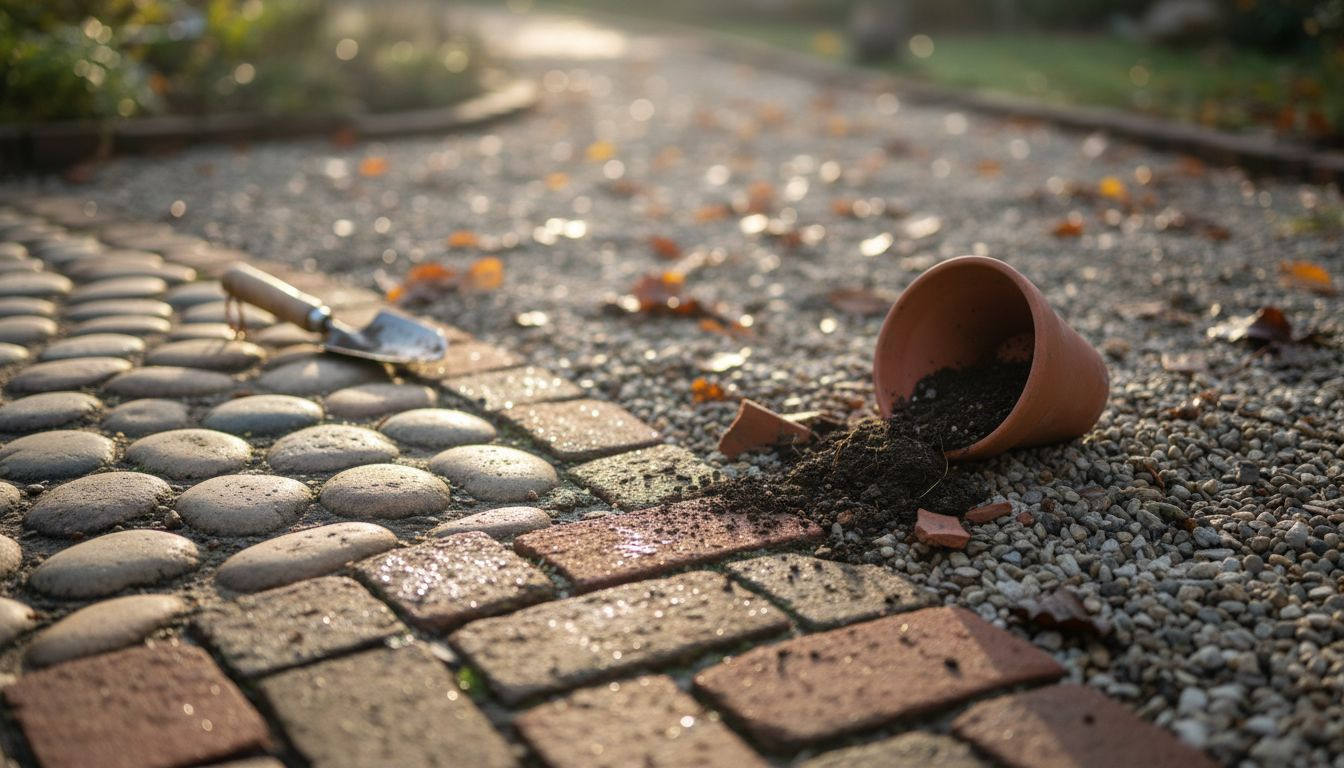
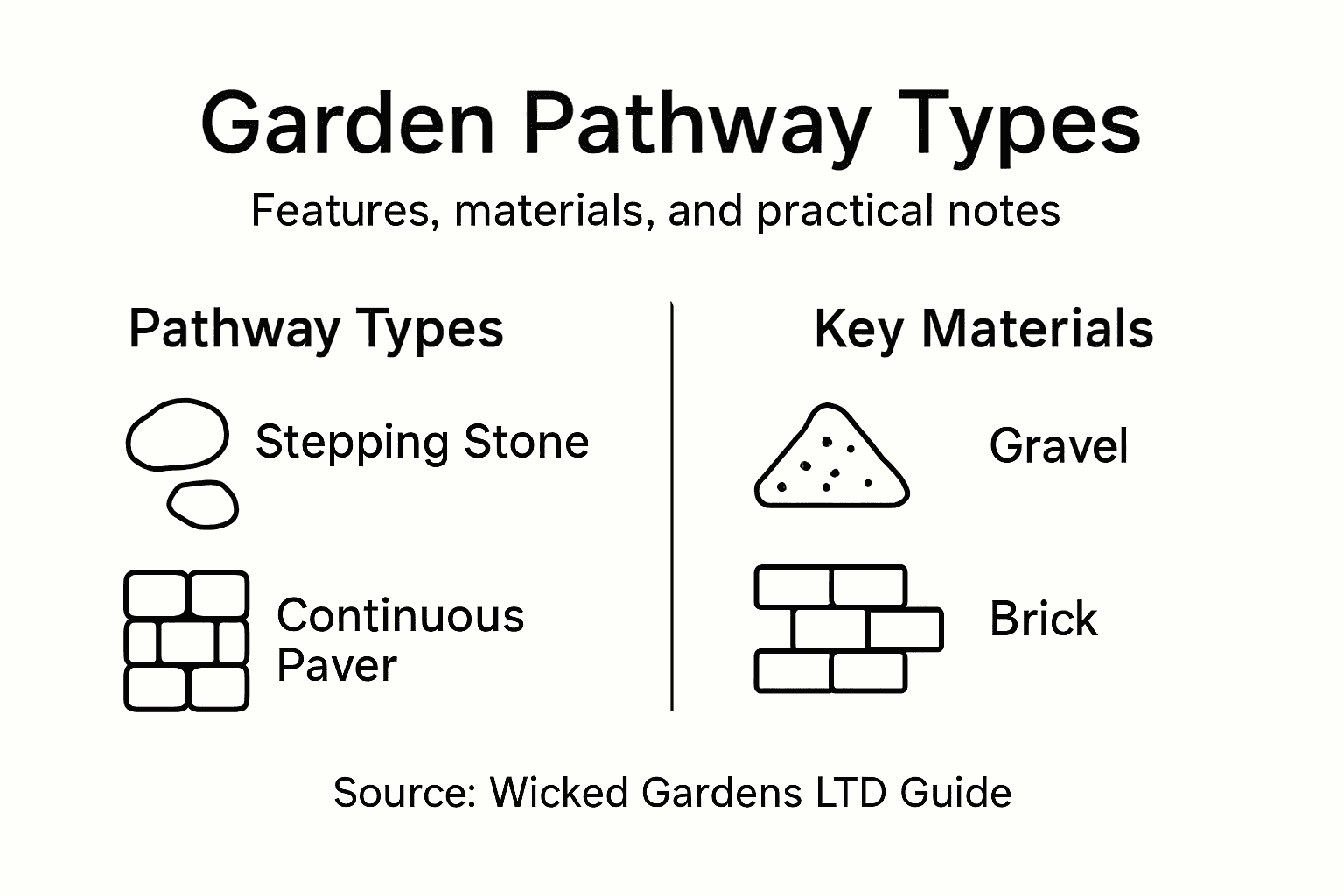
Here is a comparison of popular garden pathway materials by performance factors:
| Material | Durability & Maintenance | Drainage Capability | Ideal Garden Style |
|---|---|---|---|
| Natural Stone | Extremely durable, moderate maintenance | Good if fitted with joints | Formal & contemporary |
| Gravel | Moderate durability, simple upkeep | Excellent for water runoff | Informal or relaxed |
| Brick | High durability, low maintenance | Moderate, can be improved with design | Classic and cottage |
| Wood | Moderate, requires regular treatment | Moderate, raised design helps | Rustic and woodland |
Pathway materials are not merely decorative elements but functional design solutions that shape garden experiences.
Soil compatibility plays a crucial role in material selection. Clay soils, for instance, require materials with excellent drainage properties, while sandy soils might need more stable, compact pathway solutions. Understanding these interactions ensures long-lasting, resilient garden pathways.
Pro tip: Always conduct a thorough soil assessment and consider local climate conditions before selecting your pathway materials to ensure optimal performance and longevity.
Eco-friendly options for luxury gardens
Luxury garden design has evolved beyond mere aesthetic appeal, embracing sustainable practices that harmonise environmental consciousness with sophisticated outdoor spaces. Modern high-end gardens are increasingly defined by their commitment to ecological principles, transforming traditional landscaping approaches into intelligent, responsible design solutions.
The movement towards sustainable gardening practices has revolutionised pathway design, offering eco-conscious homeowners innovative materials and techniques that reduce environmental impact without compromising elegance. These sustainable pathway options include:
- Recycled Material Pathways
- Reclaimed stone and brick
- Repurposed industrial materials
- Locally sourced aggregate
- Permeable Paving Solutions
- Natural stone with wide joints
- Grass-integrated concrete pavers
- Gravel and resin-bound surfaces
- Low-Impact Natural Materials
- Locally quarried stone
- Sustainably harvested wood
- Clay and earth-based surfaces
- Biodiversity-Supporting Designs
- Pathways with native plant integration
- Moss and lichen-friendly surfaces
- Microhabitat-creating pathway edges
Eco-friendly pathways go beyond aesthetic considerations, actively contributing to garden ecosystems. These designs manage water runoff, support local wildlife, and minimise carbon footprint while creating visually stunning landscape experiences.
Sustainable luxury is not about compromise, but about intelligent design that respects both beauty and environmental responsibility.
Climate adaptation plays a crucial role in selecting eco-friendly pathway materials. Considerations include local rainfall patterns, temperature variations, and native ecological systems, ensuring pathways remain functional and beautiful while supporting broader environmental goals.
Pro tip: Choose pathway materials that are locally sourced, have minimal processing, and can be recycled or naturally decompose to maximise your garden’s ecological integrity.
Safety, accessibility and legal standards
Navigating the complex landscape of garden pathway design requires a comprehensive understanding of safety, legal compliance, and universal accessibility. Homeowners must balance aesthetic aspirations with critical regulatory requirements that protect users and ensure inclusive outdoor experiences.
Under the UK building regulations and accessibility guidelines, garden pathways must meet stringent safety standards that protect users of all ages and mobility levels. These regulations encompass critical design considerations such as:
- Surface Stability Requirements
- Non-slip materials
- Even, consistent surface gradients
- Minimum width standards
- Gradient and Slope Specifications
- Maximum incline angles
- Ramp design requirements
- Transition zone considerations
- Accessibility Features
- Handrail installation guidelines
- Tactile surface markers
- Colour contrast recommendations
- Legal Compliance Elements
- Equality Act 2010 requirements
- Public space accessibility standards
- Risk mitigation protocols
The legal framework surrounding pathway design goes beyond mere aesthetic considerations, focusing on creating environments that are safe, navigable, and inclusive for individuals with diverse physical capabilities. This approach ensures that garden pathways become functional, welcoming spaces that accommodate everyone’s needs.
Safety in garden design is not an afterthought, but a fundamental design principle that protects and empowers users.
Universal design principles have become increasingly important, transforming pathway construction from a purely functional task into a holistic approach that considers user experience, mobility challenges, and potential future accessibility requirements.
Pro tip: Consult a professional landscape designer who specialises in accessibility to ensure your garden pathways meet both legal standards and user needs.
Design mistakes and financial implications
Garden pathway design is not merely an aesthetic endeavour but a significant financial investment with long-term economic consequences. Poorly conceived pathways can transform what should be an elegant landscape feature into a costly maintenance nightmare that diminishes property value and functionality.
According to comprehensive economic research, design mistakes in garden pathways can lead to substantial financial burdens. The most common errors that trigger unexpected expenses include:
- Material Selection Failures
- Using inappropriate materials for local climate
- Choosing low-durability surfaces
- Neglecting long-term maintenance requirements
- Structural Design Weaknesses
- Inadequate drainage provisions
- Poor foundational preparation
- Incorrect gradient and slope calculations
- Budget Miscalculations
- Underestimating initial installation costs
- Overlooking future repair expenses
- Failing to factor maintenance budgets
- Performance Degradation Risks
- Premature surface deterioration
- Safety hazard development
- Reduced property aesthetic appeal
Financial implications extend beyond immediate installation costs. Poorly designed pathways can trigger cascading expenses through accelerated wear, increased maintenance requirements, and potential safety-related liability issues.
To clarify costs and long-term implications, see the table below:
| Design Error | Typical Immediate Cost Impact | Long-Term Financial Consequence |
|---|---|---|
| Inadequate drainage | Low installation cost | High future repair expenses |
| Cheap surface materials | Initial savings | Frequent replacements, higher total spend |
| Ignoring accessibility | Minimal early outlay | Redesign costs, potential legal liabilities |
| Poor maintenance planning | Underestimated initial spend | Increasing annual maintenance budget |
A penny saved in pathway design is often a pound spent in future repairs.
Strategic investment in professional design and high-quality materials can mitigate these risks, transforming potential financial liabilities into long-term value enhancement for residential properties.
Pro tip: Always allocate 15-20% of your pathway budget for contingency planning and professional consultation to prevent costly design mistakes.
Elevate Your Garden Experience with Thoughtful Pathway Design
Garden pathways are not just functional routes but powerful design tools that shape how you move through and enjoy your outdoor space. If you have ever felt frustrated by poorly planned garden paths that disrupt flow, cause maintenance headaches, or fail to harmonise with your landscaping, you are not alone. As highlighted in the article, pathway design must balance aesthetics, ecology, safety, and accessibility to truly transform your garden.
At Wicked Gardens LTD, we specialise in crafting bespoke, eco-friendly garden pathways that seamlessly connect your garden zones while supporting sustainability and elegance. Our expert team understands the critical role of soil compatibility, durable materials, and legal compliance in creating pathways that last. Discover how our high-quality landscaping solutions can prevent common design mistakes, enhance garden usability, and boost your property’s value.
Explore our expert insights in the Gardening Archives – Wicked Gardens and start your journey with a personalised consultation today. See the difference a professionally designed pathway can make by visiting Wicked Gardens LTD and stepping closer to your dream garden.
Transform your outdoor space now by choosing pathways that do more than just look good. Contact Wicked Gardens LTD to design garden pathways that guide, protect, and inspire every step you take.
Frequently Asked Questions
What are the primary purposes of garden pathways?
Garden pathways serve multiple purposes, including guiding visual movement, creating functional connections between garden zones, defining spatial boundaries, supporting microclimatic conditions, and improving accessibility.
What materials are commonly used for garden pathways?
Common materials for garden pathways include natural stone, gravel, brick, and wood. Each material has unique characteristics affecting durability, drainage, and aesthetics, influencing the choice based on garden style and soil conditions.
How do eco-friendly pathways contribute to garden sustainability?
Eco-friendly pathways utilise sustainable materials and designs to manage water runoff, support local wildlife, and minimise environmental impact while still providing an elegant and stylish landscape experience.
What are some common design mistakes to avoid when creating garden pathways?
Common design mistakes include poor material selection, inadequate drainage provisions, budget miscalculations, and ignoring accessibility features. These errors can lead to increased costs and maintenance issues over time.
Recommended
- Transform Your Outdoor Space: Essential Planting Techniques for a Beautiful Garden – Wicked Gardens
- The Benefits of Hiring a Professional Landscaping Service – Wicked Gardens
- Common Garden Design Mistakes and How to Avoid Them – Wicked Gardens
- How Sustainable Landscaping Can Transform Your Garden (and Help the Planet) – Wicked Gardens
- How A Garden Building Transforms Your Outdoor Space – Log Cabin Kits To Buy Online