Transforming an outdoor haven into a true statement of luxury can seem challenging, especially when balancing style, sustainability, and local wildlife needs. In South East London, discerning homeowners are discovering that bespoke garden water features deliver more than elegance—they serve as dynamic ecological assets and contribute to property value. This guide clarifies common misconceptions, highlights designs suited for urban spaces, and offers insight into creating an eco-friendly focal point that complements your unique vision.
Table of Contents
- Defining Garden Water Features And Misconceptions
- Major Types: Ponds, Fountains, Streams, Waterfalls
- Ecological Benefits And Wildlife Attraction
- Enhancing Property Value And Visual Appeal
- Key Considerations: Sustainability And Upkeep
- Common Mistakes And Legal Safety Factors
Key Takeaways
| Point | Details |
|---|---|
| Versatile Design Options | Garden water features range from small container ponds to elaborate fountains, catering to various garden sizes and styles. |
| Ecological Importance | Water features enhance local biodiversity and provide essential habitats for wildlife, contributing to urban ecological health. |
| Property Value Enhancement | Well-designed water features can elevate property aesthetics and marketability, appealing to potential buyers. |
| Sustainability Focus | Prioritising sustainable materials and practices in water feature design and maintenance promotes environmental responsibility. |
Defining Garden Water Features and Misconceptions
Garden water features are dynamic landscape elements that introduce movement, sound, and visual interest to outdoor spaces across London’s residential gardens. Unlike traditional landscaping, these aquatic installations range from compact container ponds to elaborate fountain systems, offering homeowners versatile design opportunities for transforming their exterior environments.
Water features fundamentally encompass several key configurations:
- Container ponds: Small, portable water installations perfect for compact urban gardens
- Recirculating fountains: Self-contained systems that provide continuous water movement
- Natural wildlife ponds: Ecosystem-supporting habitats that attract local fauna
- Decorative water walls: Architectural elements creating visual drama and ambient sound
Many London homeowners hold misconceptions about garden water features, believing they require extensive space or significant maintenance. However, sustainable drainage systems demonstrate that even modest water installations can provide substantial environmental benefits. Compact designs can effectively manage surface water, support local biodiversity, and create tranquil garden atmospheres without demanding complex infrastructure.
The Royal Horticultural Society emphasises that water features are not merely aesthetic additions but crucial ecological components. Water habitats in gardens contribute to local ecosystem health, providing essential resources for wildlife and supporting sustainable urban gardening practices.
Here is a summary of the main water feature types and their ideal garden scenarios:
| Water Feature Type | Best Garden Size | Typical Role |
|---|---|---|
| Container Pond | Small or urban spaces | Supports wildlife in pots |
| Recirculating Fountain | Any, especially compact | Adds movement and sound |
| Wildlife Pond | Medium to large gardens | Enhances biodiversity |
| Decorative Water Wall | Contemporary small/medium | Dramatic visual statement |
Pro tip: When designing a garden water feature, prioritise native plant species and consider your specific microclimate to ensure long-term sustainability and minimal maintenance requirements.
Major Types: Ponds, Fountains, Streams, Waterfalls
Garden water features in London homes present diverse design possibilities, ranging from compact installations to elaborate ecological systems. Each water feature type offers unique aesthetic and functional benefits, carefully tailored to suit different garden sizes, architectural styles, and environmental objectives.
The primary water feature categories include:
- Ponds: Versatile ecosystems supporting wildlife and plant life
- Fountains: Decorative elements providing visual movement and sound
- Streams: Linear water features creating natural landscape transitions
- Waterfalls: Dynamic installations generating dramatic visual and auditory experiences
Garden pond habitats serve crucial ecological functions, supporting diverse species including amphibians, insects, and aquatic plants. These water features are not merely ornamental but represent dynamic microenvironments that enhance biodiversity and garden sustainability. Container ponds and smaller installations work particularly well in compact London gardens, offering flexibility for urban landscape design.
The Royal Horticultural Society highlights that water feature selection depends significantly on garden size, maintenance capacity, and design intent. Water habitats in residential gardens can range from simple recirculating fountains to complex multilevel stream systems, each contributing uniquely to the garden’s overall aesthetic and ecological balance.
Pro tip: When selecting a water feature, consider your garden’s microclimate, available space, and local wildlife requirements to create a harmonious and sustainable design.
Ecological Benefits and Wildlife Attraction
Garden water features represent far more than aesthetic elements in London’s urban landscapes. They function as critical ecological havens, transforming modest residential spaces into vibrant ecosystems that support and sustain local wildlife through carefully designed habitats.
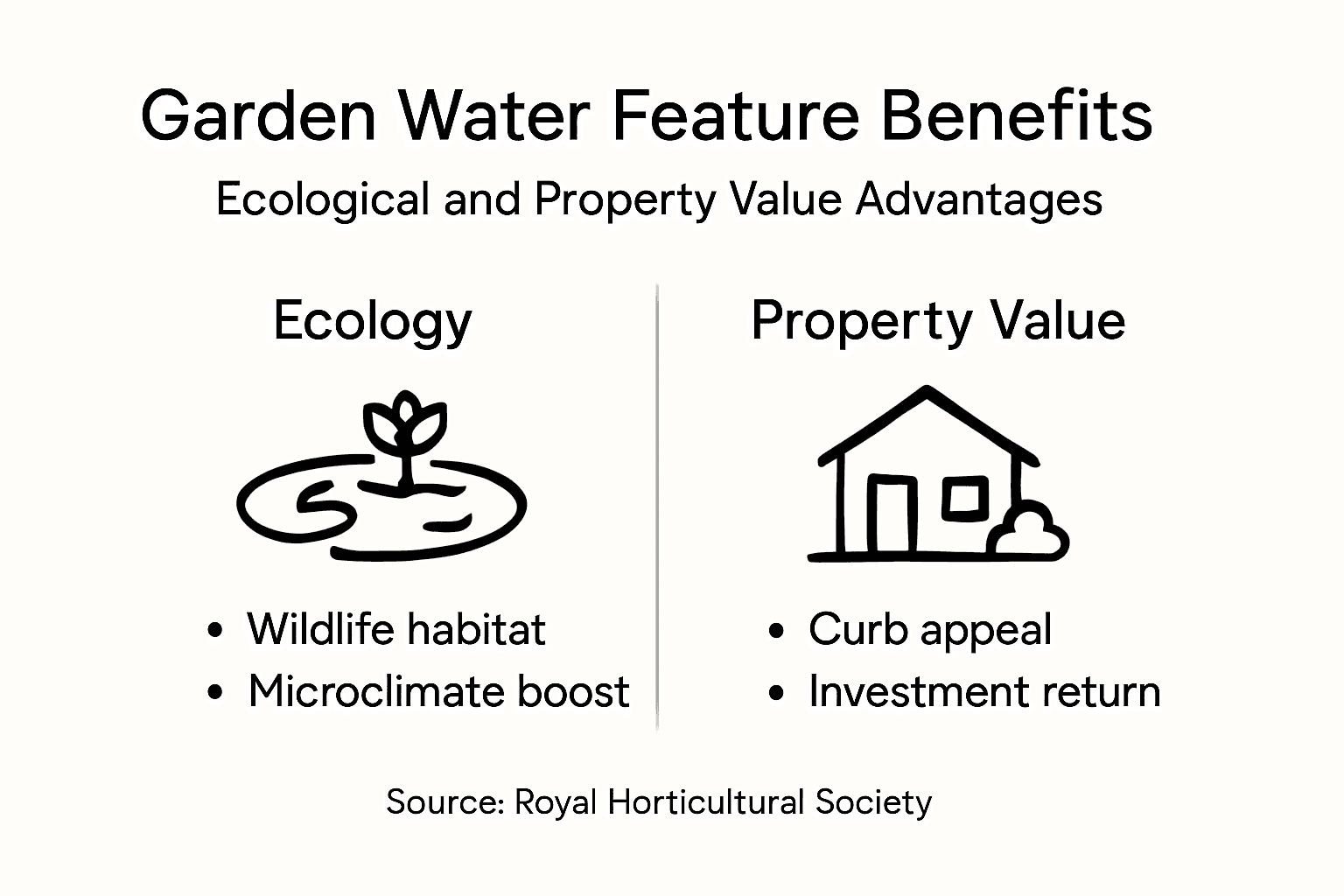
Key ecological benefits of garden water features include:
- Biodiversity support: Creating habitats for diverse species
- Microclimate regulation: Moderating local temperature and humidity
- Pollinator attraction: Providing water sources for insects
- Urban wildlife corridors: Connecting fragmented green spaces
- Water quality improvement: Natural filtration and water cycle support
Wildlife conservation in urban gardens plays a crucial role in combating biodiversity decline. Water features attract a remarkable range of species, from amphibians and birds to beneficial insects, effectively transforming residential gardens into miniature nature reserves. Even small installations like container ponds can become critical habitats, offering water, shelter, and breeding grounds for numerous urban wildlife populations.
Freshwater ecosystem protection extends beyond aesthetic considerations, representing a meaningful contribution to broader environmental conservation efforts. Garden water features help mitigate urbanisation’s ecological impact by creating interconnected green spaces that support threatened species and maintain delicate environmental balances.
Pro tip: Select native plant species and create varying water depth levels to maximise your garden water feature’s wildlife attraction potential.
Enhancing Property Value and Visual Appeal
Garden water features represent a sophisticated investment for London homeowners, transforming ordinary outdoor spaces into captivating landscapes that significantly elevate property aesthetics and market desirability. These dynamic installations offer more than visual charm, serving as strategic design elements that can meaningfully enhance a property’s overall value and appeal.
Key property value enhancements include:
- Sensory experience: Creating immersive outdoor environments
- Architectural interest: Adding unique design focal points
- Noise reduction: Masking urban background sounds
- Visual sophistication: Demonstrating design thoughtfulness
- Competitive market differentiation: Standing out in property listings
Property value enhancement strategies reveal that carefully designed water features can substantially increase a home’s marketability. These installations provide tranquil retreats that appeal to potential buyers, offering a peaceful sanctuary amidst London’s bustling urban landscape. Prospective purchasers often perceive well-executed water features as premium additions that suggest meticulous property maintenance and sophisticated design sensibilities.
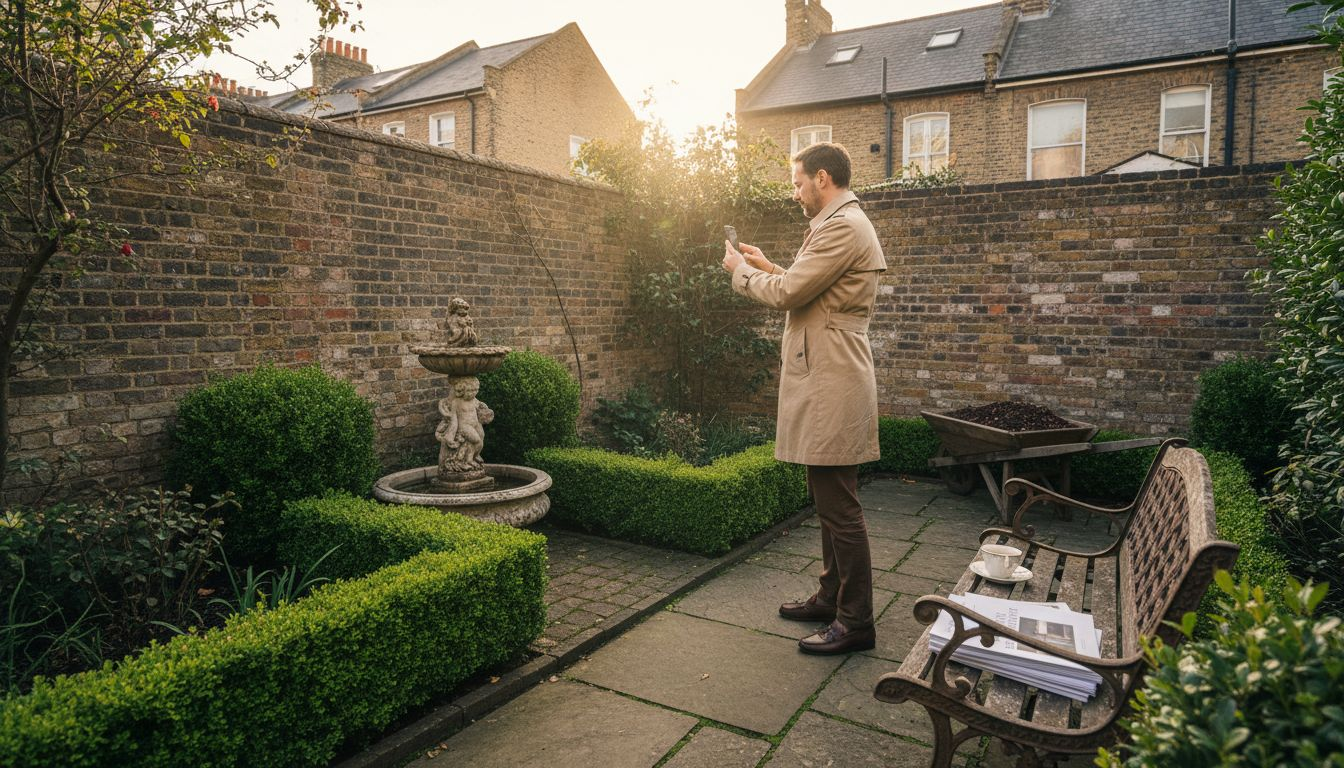
Successful water feature implementation requires strategic consideration of architectural harmony, scale, and maintenance potential. Professional design ensures the installation complements existing landscape elements, creating a cohesive outdoor environment that feels intentional and carefully curated. The most effective water features seamlessly blend aesthetic appeal with functional design, transforming garden spaces into compelling visual narratives that capture potential buyers’ imaginations.
Pro tip: Invest in professional design and high-quality materials to ensure your water feature becomes a genuine value-adding asset rather than a maintenance burden.
This table contrasts the main ecological and financial advantages of garden water features:
| Benefit Type | Example Impact | Long-term Value |
|---|---|---|
| Biodiversity Boost | Attracts pollinators | Resilient local ecosystems |
| Microclimate Effect | Reduces summer heat | Cooler, comfortable spaces |
| Property Value | Increases buyer interest | Higher market price |
| Stress Reduction | Provides tranquil sound | Supports mental wellbeing |
Key Considerations: Sustainability and Upkeep
Sustainability represents a critical factor in designing and maintaining garden water features for London homes, transforming these installations from mere aesthetic elements into environmentally responsible landscape solutions. Homeowners must carefully balance design aesthetics with ecological considerations to create water features that are both visually appealing and environmentally conscious.
Key sustainability parameters include:
- Water efficiency: Minimising consumption and maximising recycling
- Energy conservation: Using low-power circulation systems
- Native plant selection: Supporting local ecological networks
- Material sustainability: Choosing eco-friendly construction materials
- Wildlife compatibility: Creating supportive microhabitats
Sustainable drainage system guidelines provide essential frameworks for responsible water feature design. These standards emphasise reducing environmental impact through strategic water management, ensuring that garden installations contribute positively to urban ecological systems rather than creating additional resource burdens.
Professional maintenance involves regular inspections, implementing water conservation strategies, and understanding the delicate balance between aesthetic design and ecological functionality. Successful water features require consistent attention to prevent algae growth, maintain water quality, and ensure proper filtration, ultimately protecting both the installation’s visual appeal and its environmental integrity.
Pro tip: Invest in professional design consultation to develop a water feature maintenance plan that aligns with sustainable gardening principles and minimises long-term resource consumption.
Common Mistakes and Legal Safety Factors
Installing garden water features in London homes requires meticulous attention to safety protocols and legal considerations. Homeowners must navigate a complex landscape of potential risks, regulatory requirements, and design challenges to ensure their water installations remain both aesthetically pleasing and fundamentally safe.
Common mistakes that compromise water feature safety include:
- Inadequate barriers: Failing to prevent accidental access
- Poor water quality management: Allowing stagnant or contaminated water
- Improper drainage: Creating potential flooding risks
- Neglecting local regulations: Overlooking planning permission requirements
- Insufficient maintenance: Allowing structural deterioration
Water safety guidelines emphasise the critical importance of implementing comprehensive safety measures. These recommendations include installing secure fencing, maintaining appropriate water depths, and creating clear safety signage to mitigate potential risks, particularly for households with children or vulnerable individuals.
Garden safety regulations mandate specific considerations for water features in residential spaces. London homeowners must navigate local council rules, obtain necessary planning permissions, and ensure compliance with environmental health standards. This involves understanding setback requirements, implementing child-safe barriers, and maintaining water quality to prevent health hazards.
Pro tip: Consult a professional landscaper familiar with local London regulations to conduct a comprehensive safety assessment before installing your garden water feature.
Transform Your London Garden with Bespoke Water Features
Creating a garden water feature in London comes with unique challenges from space constraints to sustainable upkeep and ecological impact. This article highlights the importance of balancing design beauty with environmental responsibility, addressing pain points like maintenance worries, safety concerns, and maximizing biodiversity benefits. If you wish to enhance your outdoor space with a stunning, eco-friendly water feature that attracts local wildlife and elevates your property’s appeal, expert guidance is essential.
At Wicked Gardens LTD, we specialise in crafting personalised garden and landscaping solutions that embrace these principles. Our bespoke approach ensures your water feature is not just a decorative element but an integrated ecological asset tailored to your space and lifestyle. From compact container ponds to elegant fountains and sustainable planting schemes, we deliver exceptional quality alongside practical maintenance strategies sensitive to London’s urban microclimate.
Discover how our experienced team can transform your vision into a breathtaking reality while prioritising sustainability and safety. Explore inspiring ideas in our Gardening Archives – Wicked Gardens and learn more about our comprehensive services at Wicked Gardens LTD.
Ready to create your dream garden water feature that marries beauty with ecology? Contact Wicked Gardens LTD today for a consultation and take the first step towards a tranquil, wildlife-friendly oasis tailored just for you.
Frequently Asked Questions
What types of garden water features are suitable for small spaces?
Container ponds and recirculating fountains are ideal for compact urban gardens, as they require minimal space while still providing ecological and aesthetic benefits.
How do garden water features benefit local wildlife?
Water features attract diverse species, providing habitats, drinking water, and breeding grounds for pollinators, amphibians, and various insects, thus enhancing local biodiversity.
What are the maintenance requirements for garden water features?
Regular maintenance includes inspecting water quality, preventing algae growth, and ensuring proper filtration. It’s important to consider ease of maintenance when selecting a water feature.
How can garden water features increase my home’s property value?
Well-designed water features can enhance the aesthetic appeal of a property, create sensory experiences, and differentiate it in the market, potentially leading to higher buyer interest and increased property value.
Recommended
- Choosing the Right Water Feature for Your Garden – Wicked Gardens
- Elevating London Gardens: How Professional Landscaping Transforms Outdoor Spaces – Wicked Gardens
- The Rise of Outdoor Living in London: How to Make the Most of Your Garden All Year Round – Wicked Gardens
- 🌼 Low-Maintenance Garden Ideas for Busy Londoners – Wicked Gardens
- Things you Need to Know About Garden Drains in 2024