Over 80 percent of homeowners believe that a well-designed garden can dramatically improve their quality of life. With city living on the rise, turning even the smallest outdoor space into a personal sanctuary matters more than ever. Understanding core garden design concepts and principles helps transform bland yards into vibrant, functional retreats that reflect your style while respecting nature and your unique environment.
Table of Contents
- Defining Garden Design Concepts And Principles
- Types Of Garden Designs And Styles
- Step-By-Step Garden Design Process
- Essential Elements In Modern Garden Design
- Costs, Mistakes, And Sustainability Considerations
Key Takeaways
| Point | Details |
|---|---|
| Garden Design Principles | Successful garden design must be useful, well-constructed, and beautiful, integrating both aesthetic appeal and functional utility. |
| Design Process | A structured approach involving site assessment, conceptual design, and detailed planning is essential for creating personalized outdoor spaces. |
| Modern Elements | Incorporating sustainable materials, multi-functional spaces, and native planting into design enhances ecological responsibility and adaptability. |
| Common Mistakes | Avoid overcrowding, poor maintenance choices, and budget misallocation to ensure a successful garden design that meets both aesthetic and environmental goals. |
Defining Garden Design Concepts and Principles
Garden design is more than arranging plants and hardscaping. It represents a sophisticated art form combining aesthetic beauty, functional utility, and thoughtful spatial planning. According to Gala, garden design fundamentally rests on three classic principles: gardens must be useful, well-constructed, and beautiful. These timeless principles have influenced landscape architecture since ancient times and remain critically relevant in contemporary urban garden design.
At its core, garden design involves creating harmonious outdoor spaces that reflect both environmental constraints and personal aesthetic preferences. Professional designers carefully consider multiple interconnected elements like topography, sunlight exposure, soil conditions, plant selection, and architectural context. When developing a garden, experts evaluate how different components interact – from hardscaping materials to plant textures and color palettes. Wicked Gardens recommends understanding your specific outdoor environment before making design decisions.
The principles of garden design extend beyond simple visual appeal. They encompass ecological sustainability, spatial functionality, and creating living environments that enhance human well-being. Key design considerations include:
- Creating functional zones for relaxation, entertainment, and plant cultivation
- Selecting native plant species that thrive in local conditions
- Integrating sustainable drainage and water management systems
- Designing with year-round visual interest and biodiversity in mind
- Balancing aesthetic composition with practical maintenance requirements
Successful garden design transforms outdoor spaces from mere landscaping into personalised, living artworks that reflect individual style while respecting natural ecosystem principles. By understanding these fundamental concepts, homeowners can collaborate more effectively with professional designers to create extraordinary outdoor environments.
Types of Garden Designs and Styles
Garden design styles represent diverse approaches to creating outdoor spaces, each reflecting unique aesthetic philosophies and cultural influences. According to Royal Horticultural Society (RHS), garden styles can be remarkably adaptable, especially for smaller spaces where creativity and clever design tricks can transform modest plots into extraordinary outdoor sanctuaries.
Traditional Garden Styles offer a classic, structured approach to landscaping. As Garden Design Academy explains, these designs feature symmetrical layouts, geometric shapes, and meticulously pruned shrubbery that often mirror a home’s architectural characteristics. For instance, a red brick colonial-style home might incorporate complementary red brick pathways to create visual harmony and cohesion.
Several prominent garden design styles emerge for London homeowners to consider:
- Formal English Garden: Structured, symmetrical design with manicured hedges and precise geometric patterns
- Contemporary Minimalist: Clean lines, sparse planting, and monochromatic color schemes
- Cottage Garden: Relaxed, abundant planting with mixed flowers and informal layouts
- Mediterranean-Inspired: Drought-tolerant plants, gravel surfaces, and terracotta elements
- Japanese Zen Garden: Minimalist design focusing on tranquility, rocks, and carefully placed vegetation
For urban London properties, choosing a garden style involves balancing personal aesthetic preferences with practical spatial constraints. Successful garden design transcends mere decoration, creating living spaces that reflect individual personality while respecting environmental limitations and architectural context.
Step-by-Step Garden Design Process
Designing a garden is a nuanced journey that transforms outdoor spaces from blank canvases into personalized landscapes. Gardening Express emphasizes that successful garden design allows individuals to create unique spaces reflecting their personality and taste through careful material and plant selection.
The garden design process typically involves several critical stages that require meticulous planning and creative vision. Professional designers recommend a structured approach that begins with comprehensive site analysis. This initial phase involves thoroughly examining existing landscape conditions, including topography, soil quality, sunlight exposure, drainage patterns, and architectural context. Understanding these foundational elements enables designers to develop strategies that maximize the potential of any outdoor space.
Here’s a comprehensive breakdown of the garden design process:
- Site Assessment
- Measure precise garden dimensions
- Evaluate existing vegetation and landscape features
- Analyze soil composition and drainage
- Document sunlight and shade patterns
- Identify potential challenges and opportunities
- Conceptual Design
- Develop initial design sketches
- Create mood boards and style inspiration
- Select appropriate design theme
- Consider functional requirements
- Outline potential plant and material selections
- Detailed Planning
- Develop scaled landscape drawings
- Select specific plant species
- Choose hardscaping materials
- Plan irrigation and drainage systems
- Calculate budget and resources required
From concept to completion, our garden design process ensures that every outdoor space becomes a personalized sanctuary. By combining technical expertise with creative vision, garden designers transform abstract ideas into living, breathing landscapes that evolve and mature over time.
Essential Elements in Modern Garden Design
Modern garden design represents a sophisticated blend of functionality, aesthetic appeal, and environmental consciousness. According to the Royal Horticultural Society (RHS), city gardens must be cleverly designed to serve multiple purposes—creating spaces for planting, relaxation, entertainment, and personal retreat within often limited urban environments.
The contemporary approach to garden design goes beyond traditional landscaping, incorporating innovative elements that transform outdoor spaces into dynamic, multi-functional environments. Garden Design Academy highlights the rising popularity of minimalist design strategies, such as stone garden styles, which emphasize clean architectural lines, minimal foliage, and strategic use of water features and structural elements.
Key essential elements in modern garden design include:
- Sustainable Materials: Eco-friendly hardscaping options, recycled materials, locally sourced elements
- Multi-Functional Spaces: Areas that seamlessly transition between relaxation, entertainment, and practical use
- Smart Technology Integration: Automated irrigation, lighting systems, and climate-responsive design
- Native Planting: Ecological approaches prioritizing local plant species and biodiversity
- Vertical Gardening: Innovative solutions for maximizing limited urban spaces
- Minimalist Aesthetics: Clean lines, strategic plant placement, and architectural simplicity
Sustainable landscaping techniques offer homeowners an opportunity to create beautiful, environmentally responsible outdoor spaces that reflect both personal style and ecological consciousness. Modern garden design is about creating living environments that adapt, evolve, and enhance our connection with nature.
Costs, Mistakes, and Sustainability Considerations
Navigating the complex landscape of garden design requires a strategic approach that balances aesthetic vision, financial investment, and environmental responsibility. Gardening Express emphasizes that while garden design trends may evolve, fundamental design principles remain critical to creating stunning outdoor spaces.
Budget considerations play a pivotal role in garden design, with costs varying dramatically based on project scope, materials, and complexity. Professional garden design typically ranges from £5,000 to £50,000 for London properties, depending on factors like garden size, chosen materials, and level of customization. Sustainability has become a key financial and ecological consideration, with many homeowners prioritizing long-term environmental impact over short-term aesthetic choices.
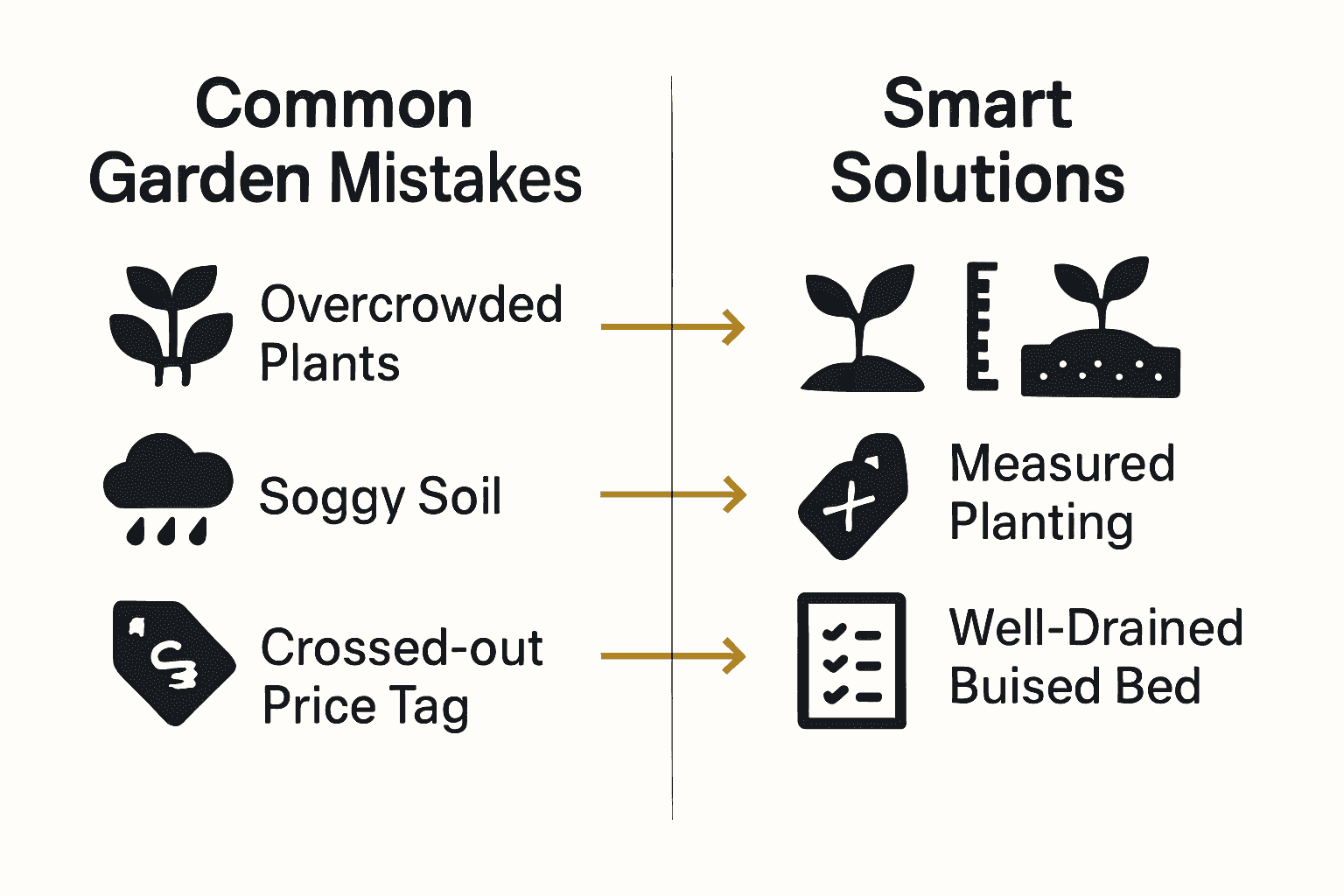
Common mistakes to avoid in garden design include:
- Overcrowding: Planting too many species without considering growth patterns
- Ignoring Maintenance: Selecting high-maintenance plants incompatible with lifestyle
- Poor Drainage Planning: Neglecting water management and soil conditions
- Budget Misallocation: Spending disproportionately on design elements
- Disregarding Local Climate: Choosing plants unsuited to London’s specific environmental conditions
Common garden design mistakes can be costly, both financially and aesthetically. Sustainable garden design is about creating resilient, beautiful spaces that minimize environmental impact while maximizing functionality and personal enjoyment. By understanding these critical considerations, homeowners can develop outdoor environments that are both economically and ecologically responsible.
Transform Your London Garden Into a Lasting Sanctuary
Understanding garden design principles and styles is just the start. Many London homeowners struggle with limited space, confusing plant choices, or balancing beautiful yet sustainable gardens. If you want to avoid common pitfalls like overcrowding or poor drainage and create a functional, eco-friendly outdoor space that truly reflects your personality, Wicked Gardens LTD is your trusted partner. Our bespoke garden design services focus on sustainability, multi-functional layouts, and year-round beauty while respecting your budget and lifestyle.
Explore how we bring your vision to life with expert design tailored specifically for London homes. Visit our Gardening Archives – Wicked Gardens for inspiring ideas and step-by-step guidance. Ready to create a stunning garden that blends aesthetics, ecology and practical luxury? Start your journey today at https://wickedgardens.co.uk and discover a new world of personalised outdoor living.
Frequently Asked Questions
What are the key principles of garden design?
The key principles of garden design include creating spaces that are useful, well-constructed, and beautiful. These principles guide the arrangement of plants, hardscaping, and overall spatial planning to ensure that gardens are functional and visually appealing.
How do I start the garden design process?
To start the garden design process, you should conduct a site assessment. This involves measuring garden dimensions, evaluating existing vegetation and soil quality, analyzing drainage patterns, and documenting sunlight exposure. Understanding these elements will inform your design decisions.
What are some common garden design mistakes to avoid?
Common garden design mistakes include overcrowding plants, neglecting maintenance needs, failing to plan for drainage, misallocating budget resources, and choosing plants unsuitable for local climate conditions. Avoiding these can help ensure a successful garden design.
What are essential elements of modern garden design?
Essential elements of modern garden design include sustainable materials, multi-functional spaces, smart technology integration, native planting, vertical gardening solutions, and minimalist aesthetics. These factors enhance both functionality and environmental consciousness in outdoor spaces.
Recommended
- Elevating London Gardens: How Professional Landscaping Transforms Outdoor Spaces – Wicked Gardens
- The Rise of Outdoor Living in London: How to Make the Most of Your Garden All Year Round – Wicked Gardens
- Common Garden Design Mistakes and How to Avoid Them – Wicked Gardens
- Sustainable Garden Design Lewisham