
Designing a garden in London can feel overwhelming when unpredictable weather and limited space make traditional planting choices risky. You want a landscape that stays beautiful and healthy through both summer heatwaves and winter downpours. The right strategies can help you turn these challenges into lasting garden success. In this guide, you’ll discover proven methods for choosing resilient plants, creating year-round appeal, and transforming small spaces. Get ready to unlock practical solutions that will make your garden thrive no matter what the London climate brings.
Table of Contents
- 1. Choose Climate-Resilient Plant Varieties
- 2. Incorporate Evergreen Structure for Year-Round Appeal
- 3. Opt for Eco-Friendly Native Planting Schemes
- 4. Create Interest with Layered Planting and Seasonal Colour
- 5. Maximise Small London Spaces with Vertical Gardens
- 6. Use Smart Irrigation for Low-Maintenance Planting
- 7. Enhance Privacy and Design with Hedges and Living Walls
Quick Summary
| Key Message | Explanation |
|---|---|
| 1. Choose Climate-Resilient Plants | Select varieties that thrive in temperature extremes and require less water to adapt to the UK’s unpredictable climate. |
| 2. Incorporate Evergreen Plants | Use evergreens for year-round structure and visual interest, ensuring consistent aesthetics and reducing maintenance. |
| 3. Implement Native Plant Schemes | Native plants require minimal water and upkeep, enhancing local biodiversity and supporting wildlife effectively. |
| 4. Use Layered Planting Techniques | Arrange plants of varying heights and flowering times for a dynamic garden that evolves through the seasons. |
| 5. Utilize Vertical Gardening Solutions | Maximise small spaces by growing upwards with vertical gardens, enhancing greenery and privacy in compact environments. |
1. Choose Climate-Resilient Plant Varieties
As London’s garden landscape transforms with increasingly unpredictable weather patterns, selecting plants that can withstand temperature extremes has become crucial for sustainable landscaping. Climate-resilient varieties offer gardeners a strategic approach to creating robust and beautiful outdoor spaces.
The Royal Horticultural Society (RHS) recommends focusing on plants capable of tolerating both wet winters and dry summers, which are becoming more common in the UK’s changing climate. By choosing adaptive species, you can develop a garden that remains vibrant and healthy regardless of environmental challenges.
Resilient plant varieties offer several key benefits:
- Survive temperature fluctuations from -5°C to 35°C
- Require minimal supplemental watering
- Maintain aesthetic appeal throughout seasonal changes
- Reduce long-term gardening maintenance costs
- Support local biodiversity
Climate-resilient plants are not just a trend—they’re a necessity for modern British gardens.
For herbaceous plantings, experts recommend species like Ceratostigma plumbaginoides and Helleborus x hybridus, which deliver stunning visual interest while demonstrating remarkable environmental adaptability. These plants can thrive in challenging conditions, providing year-round garden appeal.
When selecting trees, consider native species such as oaks and ash that have naturally evolved to handle the UK’s shifting climate conditions. The RHS suggests prioritising site-specific soil and microclimate considerations to ensure tree longevity and health.
Professional Recommendation: Before purchasing plants, consult local nurseries specialising in climate-resilient varieties and request recommendations specific to your garden’s unique microclimate and soil conditions.
2. Incorporate Evergreen Structure for Year-Round Appeal
In the ever-changing London garden landscape, creating a visually appealing outdoor space requires strategic planning and thoughtful plant selection. Evergreen plants offer a robust solution for maintaining garden structure and visual interest throughout the year.
Landscape designers emphasise the importance of diverse evergreen selections that provide continuous texture and form. These plants are not merely decorative elements but essential architectural components of a well-designed garden.
Evergreen varieties deliver multiple benefits for London gardens:
- Provide consistent visual structure during winter months
- Create natural privacy screening
- Reduce garden maintenance requirements
- Offer year-round habitat for local wildlife
- Maintain garden aesthetics through seasonal transitions
Evergreens are the backbone of a sophisticated, low-maintenance garden design.
When selecting evergreens, consider varieties with different heights, textures, and growth habits. This approach prevents monotony and creates a dynamic landscape. Excellent options for London gardens include compact conifers, ornamental grasses, and structured shrubs like box, yew, and holly.
Consider mixing broadleaf evergreens with coniferous varieties to create depth and visual complexity. Some recommended combinations include Japanese skimmias alongside dwarf pine varieties or variegated euonymus planted near dark green holly bushes.
Professional Recommendation: Select a mix of evergreen plants with varying leaf textures and colours to create a visually engaging garden that maintains its structure throughout the year.
3. Opt for Eco-Friendly Native Planting Schemes
Creating a sustainable garden in London involves more than aesthetic considerations. Native plant landscaping offers a powerful approach to environmental stewardship that supports local ecosystems and reduces garden maintenance.
Native plants are perfectly adapted to the British climate and local conditions, offering remarkable advantages for urban gardeners. These indigenous species have evolved to thrive in our specific environmental context, making them incredibly resilient and low-maintenance.
Benefits of native plant schemes include:
- Minimal water requirements
- Reduced chemical intervention
- Enhanced local biodiversity
- Support for native wildlife populations
- Natural pest resistance
- Lower long-term gardening costs
Native plants are nature’s own sustainable garden solution.
Specifically, native trees like oak, birch, and rowan provide critical habitat for local wildlife, transforming urban spaces into vibrant ecosystems. These trees not only beautify your garden but also create essential food and shelter for birds, insects, and small mammals.
Consider incorporating native flowering plants such as bluebells, foxgloves, and hawthorn to create a rich, dynamic landscape that changes beautifully through the seasons. These species will attract pollinators and contribute to the local environmental health.
Professional Recommendation: Consult local gardening centres or ecological organisations to identify the most suitable native plant species for your specific London microclimate and garden conditions.
4. Create Interest with Layered Planting and Seasonal Colour
Transforming a London garden into a vibrant, dynamic space requires strategic plant selection and thoughtful arrangement. Layered planting creates rich, multidimensional landscapes that mimic natural ecosystems and provide visual intrigue throughout the year.
This approach involves carefully arranging plants of different heights, textures, and flowering times to create a living, breathing garden environment. By strategically combining ground covers, mid-height perennials, and taller structural plants, you can design an ecosystem that evolves beautifully with each season.
Key benefits of layered planting include:
- Maximise visual interest
- Create depth and dimension
- Support local biodiversity
- Provide continuous garden coverage
- Reduce maintenance requirements
- Enable year-round aesthetic appeal
Layered planting transforms gardens from static spaces into living, dynamic landscapes.
Start with a structural foundation of evergreen shrubs and small trees to provide year-round framework. Next, incorporate mid-height perennials that offer seasonal colour and texture. Finally, use ground covers and low-growing plants to fill spaces and create a cohesive, lush appearance.
Consider combining plants like ornamental grasses with late-flowering perennials and early spring bulbs to ensure continuous visual interest. Aim for a mix of plants that bloom at different times, creating a garden that looks engaging throughout the year.
Professional Recommendation: Sketch your garden layout beforehand and select plants with complementary heights, colours, and blooming periods to achieve a harmonious, layered design.
5. Maximise Small London Spaces with Vertical Gardens
London’s compact urban gardens demand innovative solutions for introducing greenery and life. Vertical gardening offers an ingenious approach to transforming limited outdoor spaces into lush, vibrant environments.
This creative gardening technique allows you to grow plants upwards using walls, trellises, hanging systems, and modular installations. By thinking vertically instead of horizontally, you can dramatically increase your garden’s potential and aesthetic appeal.
Vertical gardens deliver multiple advantages:
- Maximise extremely limited spaces
- Create visual privacy screens
- Improve urban air quality
- Reduce ambient temperature
- Support local biodiversity
- Add architectural interest
- Soften harsh urban landscapes
Vertical gardens transform constraints into creative opportunities.
Urban gardeners can utilise upcycled materials like wooden pallets and mounted planters to craft stunning green installations. Narrow terraces balconies and even small courtyard spaces become potential canvases for living artwork.
Consider incorporating a mix of trailing plants, compact herbs, and small flowering species. Succulents work brilliantly on vertical surfaces, while climbing plants like jasmine or clematis can create dramatic visual impact with minimal ground space required.
Professional Recommendation: Select lightweight, modular planting systems and ensure robust waterproofing and drainage to protect walls and maximise plant health.
6. Use Smart Irrigation for Low-Maintenance Planting
Modern London gardeners are increasingly seeking efficient ways to maintain beautiful outdoor spaces with minimal effort. Smart irrigation systems represent a revolutionary approach to automated plant care that saves time, water, and energy.
These intelligent watering technologies go far beyond traditional sprinkler systems. By utilising advanced sensors and weather-responsive controls, smart irrigation adapts precisely to your garden’s unique environmental conditions.
Benefits of smart irrigation include:
- Eliminate manual watering schedules
- Reduce water consumption by up to 50%
- Prevent over or under-watering
- Maintain optimal plant health
- Save considerable time and effort
- Lower monthly water utility costs
- Support sustainable gardening practices
Smart irrigation transforms garden maintenance from a chore into an intelligent, automated process.
The technology works by continuously monitoring soil moisture, temperature, and local weather forecasts. Automated systems ensure plants receive water only when truly necessary, creating a responsive and efficient gardening solution.
Modern systems can be controlled via smartphone apps, allowing you to manage your garden’s watering needs remotely. This means you can adjust settings while at work or during holidays, ensuring your plants remain healthy without constant personal attention.
Professional Recommendation: Invest in a smart irrigation system with multiple zone controls to accommodate different plant types and microenvironments within your garden.
7. Enhance Privacy and Design with Hedges and Living Walls
London gardens require innovative solutions to create intimate, secluded spaces within compact urban environments. Hedges and living walls offer sophisticated strategies for simultaneously enhancing privacy and introducing stunning visual elements to outdoor areas.
These green architectural features serve multiple functions beyond traditional boundary markers. By carefully selecting and positioning plant varieties, you can transform ordinary garden borders into dynamic, multifunctional design elements.
Benefits of hedges and living walls include:
- Provide natural privacy screening
- Reduce urban noise levels
- Improve local air quality
- Support urban wildlife habitats
- Create visual interest and texture
- Enhance property aesthetic value
- Regulate microclimate temperatures
Green boundaries transform garden spaces from simple plots to living architectural statements.
For hedge selections, consider compact evergreen varieties like box, yew, or privet that maintain structure year-round. These plants offer dense growth and can be precisely trimmed to suit your specific design requirements.
Living walls present an even more innovative approach. By utilising vertical planting techniques, you can incorporate a diverse range of plant species including trailing ferns, compact herbs, and small flowering perennials. These installations not only provide privacy but also create stunning, dynamic visual features.
Professional Recommendation: Select plant varieties with complementary growth habits and maintenance requirements to ensure a cohesive, low-effort green boundary solution.
Below is a comprehensive table summarising key strategies and recommendations for sustainable and visually appealing gardening approaches in London as discussed throughout the article.
| Gardening Strategy | Details and Implementation | Benefits |
|---|---|---|
| Climate-Resilient Plant Varieties | Choose plants tolerant to temperature extremes and adaptable to London’s climate. | Minimised maintenance, year-round vibrancy, and biodiversity support. |
| Incorporate Evergreen Structure | Use diverse evergreen plants for consistent visual appeal and structural interest. | Low maintenance, provides habitats, and ensures year-long aesthetics. |
| Native Planting Schemes | Utilise indigenous species adapted to local conditions. | Enhanced ecological balance and reduced care requirements. |
| Layered Planting and Seasonal Colour | Combine plants with varying heights and flowering periods for immersive landscapes. | Dynamic garden appeal all year with biodiversity enrichment. |
This table summarises the main points covered in the article effectively.
Transform Your London Garden with Expert Planting and Bespoke Design
Creating a garden that thrives despite London’s unique climate challenges calls for smart, sustainable planting choices and expert landscaping. Whether you aim to incorporate climate-resilient plant varieties, evergreen structures, native planting schemes, or even vertical gardens to maximise your space, Wicked Gardens LTD delivers personalised solutions crafted just for you. We understand the importance of low-maintenance, eco-friendly designs that remain visually stunning through every season.
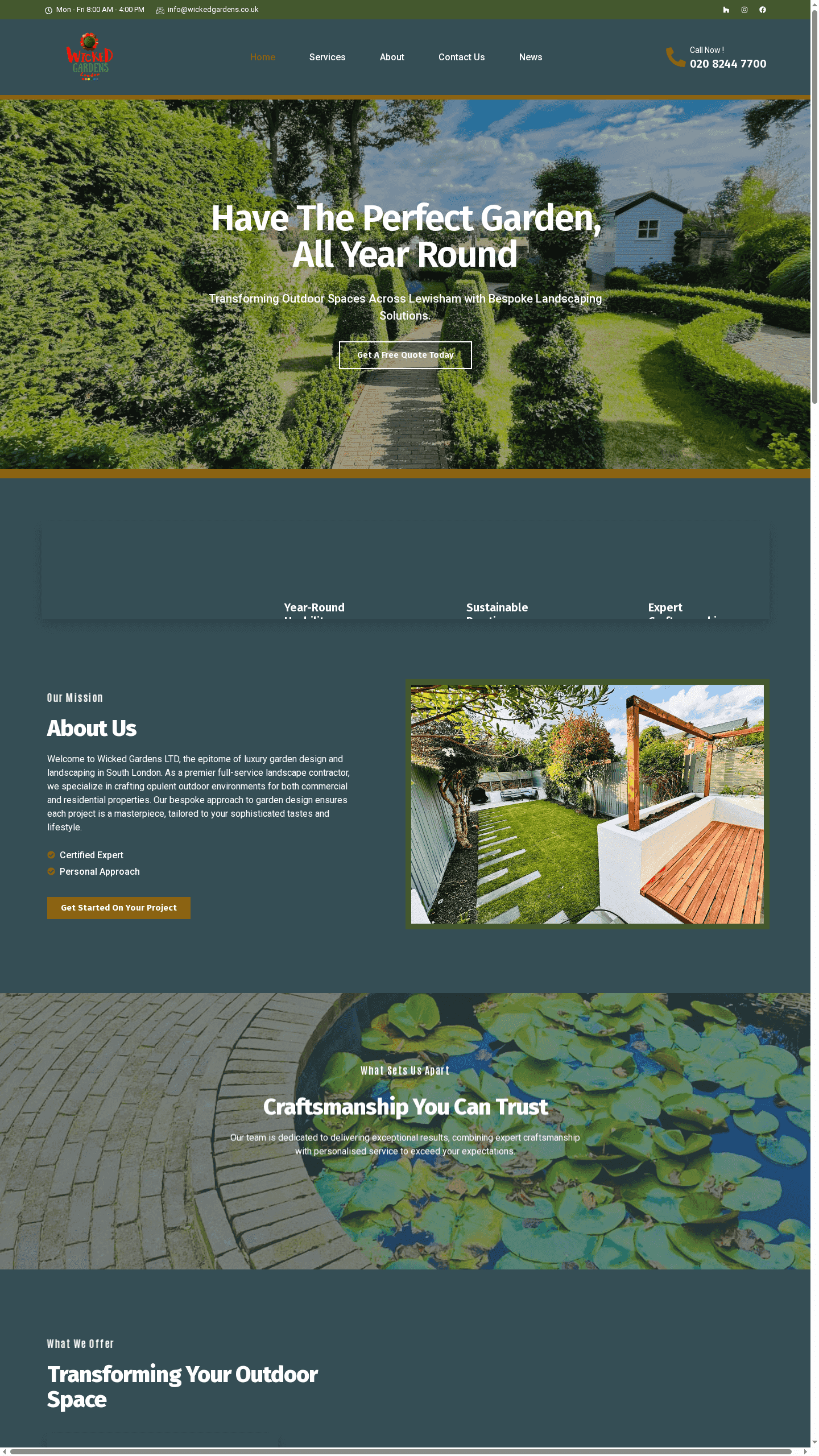
Explore our Gardening Archives – Wicked Gardens to see examples of how we blend innovative planting ideas with bespoke landscaping. With a commitment to sustainability and exceptional craftsmanship, our team transforms outdoor spaces across South East and Central London. Don’t wait for the next season to create the garden you deserve. Visit https://www.wickedgardens.co.uk/ today to start your journey towards an elegant and climate-smart garden tailored specifically to your home’s needs.
Frequently Asked Questions
What are climate-resilient plant varieties suitable for London gardens?
Climate-resilient plant varieties are species that can thrive despite temperature fluctuations and changing weather conditions. To create a robust garden, select plants that can tolerate both wet winters and dry summers, ensuring your garden remains vibrant and healthy even in challenging conditions.
How can I create year-round appeal with evergreen plants in my garden?
Incorporate a diverse selection of evergreen plants to provide consistent visual structure throughout the seasons. Choose a variety of heights and textures to enhance visual interest and create a dynamic landscape that remains green during winter months.
What are the benefits of using native plants in my London garden?
Native plants are well-suited to local conditions and require minimal water and maintenance while supporting local biodiversity. By incorporating these species, you can create a sustainable garden that attracts wildlife and reduces the need for chemical interventions.
How can I implement layered planting for seasonal colour in my garden?
Layered planting involves arranging plants of varying heights, textures, and flowering times to create a visually engaging landscape. Start with structural evergreens, then add mid-height perennials and low-growing ground covers to maximise visual interest throughout the year.
What are some effective ways to maximise space in small London gardens?
Vertical gardening techniques enable you to utilise limited space by growing plants upwards on walls or trellises. Implement modular planting systems to add greenery effectively while creating privacy screens and enhancing your garden’s aesthetic appeal.
How can smart irrigation help in maintaining a low-maintenance garden?
Smart irrigation systems automatically adjust watering schedules based on soil moisture and local weather conditions, significantly reducing water consumption and maintenance effort. By adopting this technology, you can conserve water usage by up to 50% and ensure your plants receive the proper hydration without the need for manual intervention.
Recommended
- 🌼 Low-Maintenance Garden Ideas for Busy Londoners – Wicked Gardens
- Elevating London Gardens: How Professional Landscaping Transforms Outdoor Spaces – Wicked Gardens
- Transform Your Outdoor Space: Essential Planting Techniques for a Beautiful Garden – Wicked Gardens
- 🌿 Year-Round Colour: Planting for All Seasons in Your London Garden – Wicked Gardens
- 7 Small Garden Building Solutions for UK Garden Lovers