
Every property owner in South East London knows that a garden with irregular shapes and hidden features requires more than guesswork to optimise. Understanding your outdoor space’s layout is essential before embarking on any garden transformation. With techniques like triangulation and scale planning from known points, you gain a solid foundation for making efficient, economical decisions. Discover how a precise assessment leads to bespoke, eco-friendly upgrades suited to large, luxurious gardens.
Table of Contents
- Step 1: Assess Your Garden’s Current Layout
- Step 2: Define Functional Zones for Maximum Use
- Step 3: Select Sustainable Materials and Features
- Step 4: Integrate Bespoke Planting and Lighting
- Step 5: Verify Design Efficiency and Aesthetic Appeal
Quick Summary
| Key Point | Explanation |
|---|---|
| 1. Accurately Assess Your Garden Layout | Begin by measuring and documenting your garden’s current features to inform your design process. |
| 2. Define Functional Zones for Use | Plan distinct areas in your garden for relaxation, entertainment, productivity, recreation, and utility to maximise effectiveness. |
| 3. Choose Sustainable Materials | Select eco-friendly options like recycled materials and native plants to lessen environmental impact while enhancing beauty. |
| 4. Integrate Planting and Lighting | Strategically combine plant selection and lighting to create depth, visual interest, and a seamless transition from day to night. |
| 5. Verify Design Efficiency and Aesthetics | Critically evaluate your design for coherence and practicality to ensure a harmonious and visually appealing final garden layout. |
Step 1: Assess Your Garden’s Current Layout
Before transforming your luxurious London garden, you need a precise understanding of its existing configuration. Accurate landscape assessment begins with thorough measurement and documentation of your outdoor space.
Start by creating a detailed scale drawing of your garden. Grab a measuring tape, clipboard, and graph paper to map out precise dimensions. Note critical elements like:
- Existing trees and large shrubs
- Building structures and boundaries
- Current pathways and seating areas
- Underground utilities and drainage points
- Sunlight exposure throughout the day
- Soil quality and terrain variations
Measure from fixed reference points such as house corners or permanent boundary markers. Professional landscape designers recommend using triangulation techniques to ensure accuracy. This means measuring distances between multiple known points to create a reliable spatial representation.
Carefully document measurements and sketch your garden’s layout to scale. Digital tools can also help – many garden design apps allow you to input precise measurements and create professional layout plans.
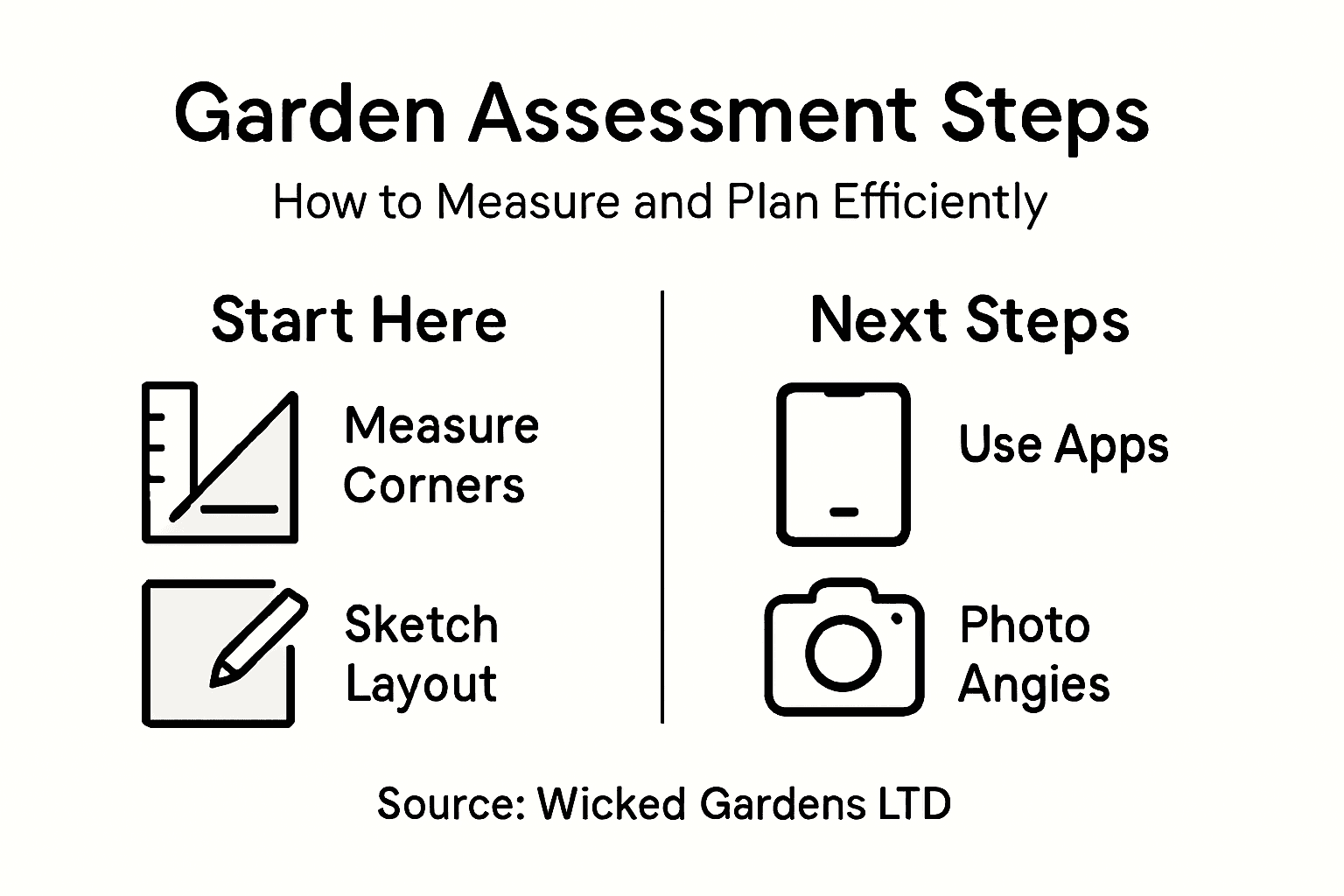
Pro tip: Photograph your garden from multiple angles during different times of day to capture subtle lighting and spatial nuances that might not be immediately apparent in measurements.
Step 2: Define Functional Zones for Maximum Use
Transforming your garden into a luxurious, multi-purpose outdoor sanctuary requires strategic planning and thoughtful garden zone design. By carefully dividing your space, you can create a harmonious environment that meets multiple lifestyle needs.
Start by identifying the primary functions you want your garden to serve. Consider these potential zones:
- Relaxation Areas: Quiet spaces for reading, meditation, or enjoying morning coffee
- Entertainment Zones: Spaces for dining, socialising, and hosting garden parties
- Productive Zones: Areas for growing vegetables, herbs, or cutting flowers
- Recreation Spaces: Sections for children’s play or outdoor exercise
- Utility Areas: Practical spaces for storage, composting, or gardening equipment
Each zone should have a clear purpose and seamless transition to adjacent areas. Pay attention to circulation pathways, ensuring easy movement between different garden sections. Consider how sunlight, shade, and privacy impact each designated area.
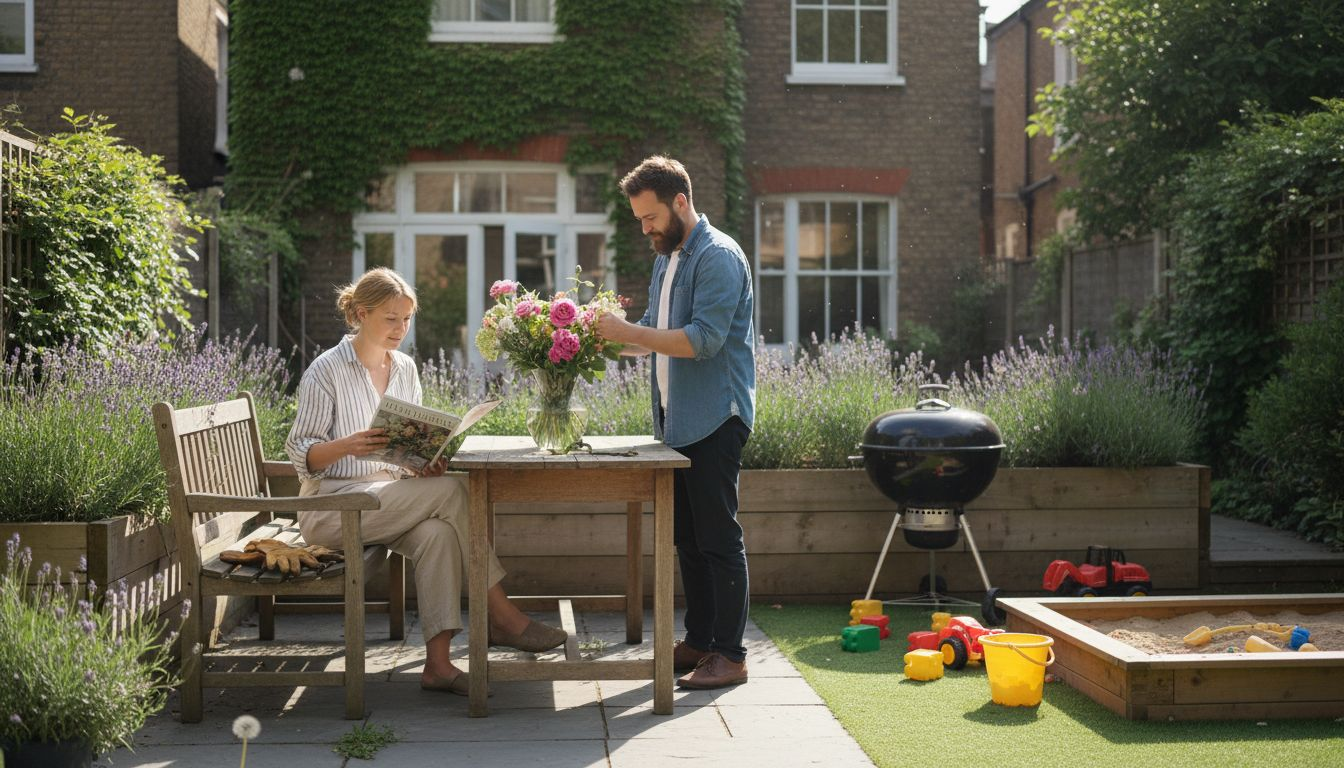
Think about your lifestyle and how you genuinely want to use the space. A well-designed garden integrates multiple functions without feeling cluttered or disjointed.
For easy reference, here’s a summary of core criteria for effective garden zone planning:
| Zone Purpose | Key Considerations | Lifestyle Benefit |
|---|---|---|
| Relaxation Area | Shade, privacy, comfort | Calm personal space |
| Entertainment Zone | Accessibility, seating | Social gatherings |
| Productive Zone | Sunlight, soil fertility | Home-grown produce |
| Utility Area | Storage, screening | Organised maintenance |
Strategic zoning transforms a simple garden into a versatile, personalised outdoor living environment.
Pro tip: Photograph your garden during different times of day to understand natural light patterns and help you visualise optimal zone placements.
Step 3: Select Sustainable Materials and Features
Creating an eco-friendly garden requires thoughtful selection of planet-friendly gardening materials. Your choices can significantly reduce environmental impact while creating a beautiful, resilient outdoor space.
Consider these sustainable material and feature options:
- Recycled Hardscaping: Use reclaimed timber, recycled plastic decking, or locally sourced stone
- Water Conservation: Install rainwater harvesting systems and water-efficient irrigation
- Native Planting: Choose indigenous plants that support local wildlife and require minimal maintenance
- Organic Soil Amendments: Use peat-free compost and home-generated green waste
- Low-Carbon Features: Select locally manufactured garden elements to reduce transportation emissions
Prioritise materials with low environmental footprints. Locally sourced timber, reclaimed materials, and products with minimal manufacturing impact should be your primary considerations. Look for certifications like FSC (Forest Stewardship Council) when selecting wooden features.
To help you choose the right sustainable materials for your garden, here’s a quick comparison of eco-friendly options and their benefits:
| Material Type | Environmental Impact | Maintenance Level | Visual Appeal |
|---|---|---|---|
| Reclaimed Timber | Reduces waste, low carbon | Occasional treatment | Natural, rustic finish |
| Recycled Plastic Decking | Diverts plastic from landfill | Minimal cleaning needed | Modern, uniform appearance |
| Locally Sourced Stone | Low transport emissions | Rare upkeep required | Classic, timeless design |
| Peat-Free Compost | Protects peatlands | Annual replenishment | Rich soil, healthy plants |
Sustainable garden design is not just about aesthetics, but creating an ecosystem that supports local biodiversity and reduces environmental strain.
Pro tip: Contact local landscaping suppliers who specialise in sustainable materials to find unique, environmentally responsible options for your garden.
Step 4: Integrate Bespoke Planting and Lighting
Creating a stunning garden requires masterful integration of garden design and illumination. Your outdoor space should tell a cohesive visual story that transforms from day to night, highlighting your unique landscape’s most compelling features.
Consider these strategic planting and lighting approaches:
- Layered Lighting: Use multiple light levels to create depth and drama
- Focal Point Illumination: Highlight special plants, sculptures, or architectural elements
- Seasonal Planting: Select plants that provide year-round visual interest
- Mood Lighting: Incorporate dimmable, colour-changing LED options
- Path and Safety Lighting: Ensure functional illumination for navigation
Thoughtful plant selection is crucial. Choose species that complement your lighting design, considering how foliage textures and colours interact with different light temperatures. Native plants with interesting silhouettes work particularly well when strategically illuminated.
A well-designed garden becomes a living canvas, with lighting and planting working together to create an immersive sensory experience.
Pro tip: Install adjustable fixtures with multiple colour temperature options to dramatically transform your garden’s ambience throughout different seasons and times of day.
Step 5: Verify Design Efficiency and Aesthetic Appeal
Finalising your garden design requires a critical eye for modern design principles. Your goal is to create a harmonious outdoor space that balances functionality with visual sophistication.
Evaluate your design against these key criteria:
- Spatial Coherence: Ensure smooth transitions between different garden zones
- Material Consistency: Check that hardscaping and planting materials complement each other
- Maintenance Practicality: Assess long-term upkeep requirements and complexity
- Visual Flow: Verify that design elements create a unified, engaging landscape
- Seasonal Adaptability: Confirm the design looks appealing throughout the year
Systematic review is crucial. Step back and examine your design from multiple perspectives, considering how it will perform in different weather conditions and seasons. Take photographs from various angles and review them objectively, looking for potential improvements or areas that might need refinement.
A truly exceptional garden design seamlessly integrates practical functionality with aesthetic elegance, creating a space that feels both intentional and effortless.
Pro tip: Create a scaled mockup or digital 3D rendering of your garden design to visualise potential challenges and opportunities before final implementation.
Optimise Your London Garden with Wicked Gardens LTD
Transforming your luxurious London garden means addressing common challenges like maximising limited space, creating harmonious functional zones, and choosing eco-friendly materials as highlighted in our Garden Space Optimization Guide for Luxurious London Homes. Wicked Gardens LTD specialises in bespoke, high-end garden design and landscaping solutions that bring your outdoor vision to life while prioritising sustainability and seamless integration of planting, lighting, and layout.
Experience the benefit of expert guidance on efficient garden zoning, eye-catching bespoke planting, and sustainable materials tailored to your lifestyle. Whether you seek tranquil relaxation spots or elegant entertainment areas, Wicked Gardens LTD offers personalised service backed by award-winning craftsmanship and a passion for eco-conscious design. Explore more in our Gardening Archives – Wicked Gardens and visit our website to start your journey towards a sophisticated, sustainable garden. Act now to elevate your outdoor space with London’s trusted bespoke gardeners.
Frequently Asked Questions
How do I accurately assess my garden’s current layout?
Start by taking precise measurements of your garden space using a measuring tape, and create a detailed scale drawing. Document all significant features, such as existing trees, pathways, and sunlight exposure, to form a comprehensive blueprint.
What are the best methods for defining functional zones in my garden?
Identify the primary activities you want to use your garden for, such as relaxation or entertainment, and then map out distinct zones for each purpose. Ensure smooth pathways connect these areas to facilitate easy movement and maximise space utilisation.
Which sustainable materials should I consider for my garden design?
Opt for materials like reclaimed timber, locally sourced stone, or recycled hardscaping to minimise environmental impact. Prioritise low-carbon features and organic soil amendments to create an eco-friendly garden that is both beautiful and sustainable.
How can I effectively integrate lighting into my garden design?
Use layered lighting techniques to create depth and draw attention to specific areas, like highlighted plants or seating spaces. Consider installing adjustable fixtures that offer different light temperatures to adapt the mood of your garden throughout the day.
What are the key factors to review when finalising my garden design?
Evaluate your design for spatial coherence, material consistency, and maintenance requirements. Ensure that all elements create a unified appearance that is both functional and visually appealing, confirming it maintains its charm across all seasons.
Recommended
- Elevating London Gardens: How Professional Landscaping Transforms Outdoor Spaces – Wicked Gardens
- Small Garden Design London | Landscaping London
- Landscaping South East London | Premium Gardens
- The Rise of Outdoor Living in London: How to Make the Most of Your Garden All Year Round – Wicked Gardens
- 7 Best Small Space Decorating Ideas for Urban Homes – FunLifeNow
- 7 Smart Tips for Gardening in Small Spaces in Melbourne – Onyx Removals
- Glass Verandas: Stylish Garden Living All Year Round