
Crafting a truly vibrant garden in London means more than simply cultivating plants—it is about purposeful stewardship that transforms private outdoor space into a breath of life for the wider environment. For discerning homeowners, embracing garden stewardship is a way to blend stunning design with meaningful action, where every planting and water choice shapes the ecological legacy of your home. This approach connects you to the cutting edge of sustainable living, empowering you to curate a garden that is as beautiful as it is beneficial for future generations.
Table of Contents
- Defining Garden Stewardship and Its Purpose
- Sustainable Practices in Modern Landscaping
- Types of Garden Stewardship Approaches
- Core Responsibilities for Homeowners and Designers
- Risks, Costs, and Common Pitfalls to Avoid
Key Takeaways
| Point | Details |
|---|---|
| Garden Stewardship | Involves integrating environmental consciousness and sustainable management to nurture outdoor spaces. |
| Sustainable Landscaping | Focuses on creating resilient ecosystems through water-efficient practices and native plant selection. |
| Stewardship Models | Various approaches exist, emphasising biodiversity, community engagement, and climate adaptation. |
| Homeowner Responsibilities | Homeowners must promote biodiversity and maintain soil health while being mindful of ecological balance. |
Defining Garden Stewardship and Its Purpose
Garden stewardship represents a holistic approach to nurturing and protecting outdoor spaces, transcending traditional gardening practices by integrating environmental consciousness, biodiversity preservation, and sustainable management. At its core, garden stewardship is about understanding our role as responsible caretakers of green environments, recognising that every garden contributes to broader ecological systems.
Understanding the purpose of garden stewardship requires acknowledging its multifaceted nature. Environmental stewardship actions encompass a range of deliberate interventions designed to protect natural resources and enhance biodiversity. These actions are not merely aesthetic choices but strategic ecological investments that support local wildlife, improve soil health, and create resilient green infrastructure.
Key aspects of garden stewardship include:
- Promoting native plant species
- Creating wildlife habitats
- Implementing water-conservation techniques
- Minimising chemical interventions
- Supporting local ecosystem regeneration
By embracing garden stewardship principles, homeowners transform their outdoor spaces from passive landscapes into active ecological contributors. This approach recognises that gardens are not isolated entities but interconnected systems that play crucial roles in urban and suburban environments.
Pro tip: Start your garden stewardship journey by conducting a biodiversity audit of your current outdoor space, identifying existing species and potential improvement areas.
Sustainable Practices in Modern Landscaping
Sustainable landscaping has evolved from a niche concept to a critical approach in modern garden design, addressing environmental challenges while creating beautiful, functional outdoor spaces. By integrating ecological principles with aesthetic considerations, homeowners can transform their gardens into resilient, environmentally responsive ecosystems that contribute positively to local biodiversity and climate adaptation.
Modern sustainable landscaping strategies prioritise planting resilient species adapted to changing climates, recognising the urgent need to develop gardens that can withstand increasing environmental pressures. This approach involves carefully selecting plant varieties that can thrive under variable conditions, reduce water consumption, and support local wildlife habitats.
Key sustainable landscaping practices include:
- Implementing water-efficient irrigation systems
- Using native and drought-resistant plant species
- Creating wildlife corridors and habitats
- Minimising artificial chemical interventions
- Incorporating rainwater harvesting techniques
- Utilising permeable landscaping materials
By embracing these principles, gardeners can create outdoor spaces that are not just visually appealing but also ecologically intelligent. Such gardens serve multiple functions: they provide aesthetic beauty, support local ecosystems, mitigate climate change impacts, and create resilient green infrastructure in urban environments.
Pro tip: Conduct a comprehensive site assessment of your garden’s microclimate, soil conditions, and existing biodiversity before implementing sustainable landscaping strategies.
Types of Garden Stewardship Approaches
Garden stewardship is not a one-size-fits-all concept, but a nuanced approach with multiple strategic frameworks designed to address diverse environmental and community needs. Stewardship models emerge from different philosophical perspectives, each offering unique methods for managing and protecting outdoor spaces while promoting ecological sustainability and community engagement.
Researchers have identified diverse stewardship typologies and governance categories, ranging from reformist approaches to transformative strategies. These models integrate multiple dimensions of care, knowledge, and agency, allowing gardeners and communities to develop tailored approaches that reflect their specific environmental and social contexts.
Key types of garden stewardship approaches include:
- Ecological stewardship focusing on biodiversity conservation
- Community-driven collaborative management
- Regenerative landscape restoration
- Social governance and participatory design
- Resource-efficient maintenance strategies
- Climate-adaptive landscape planning
Different stewardship models offer varying levels of community involvement and environmental management. Some approaches prioritise scientific ecological principles, while others emphasise social connections and collective responsibility for green spaces. The ultimate goal remains consistent: creating resilient, sustainable, and meaningful outdoor environments that support both human and natural ecosystems.
To better understand the breadth of stewardship models, here is a comparison of key garden stewardship approaches and their main characteristics:
| Approach Type | Core Emphasis | Typical Participants |
|---|---|---|
| Ecological stewardship | Biodiversity and habitat | Individual gardeners |
| Community-driven management | Collective action, shared care | Residents, local groups |
| Regenerative restoration | Soil and ecosystem renewal | Professionals, NGOs |
| Social governance | Policy, equitable access | Authorities, communities |
| Resource-efficient maintenance | Input reduction, efficiency | Professionals, homeowners |
| Climate-adaptive planning | Resilience to climate change | Designers, planners |
Pro tip: Assess your garden’s unique characteristics and community context to determine the most appropriate stewardship approach for your specific environment.
Core Responsibilities for Homeowners and Designers
Garden stewardship transforms outdoor spaces from mere aesthetic landscapes into dynamic, living ecosystems that require thoughtful and strategic management. Responsible design goes beyond visual appeal, encompassing a holistic approach that balances environmental sustainability, ecological function, and human interaction with natural spaces.
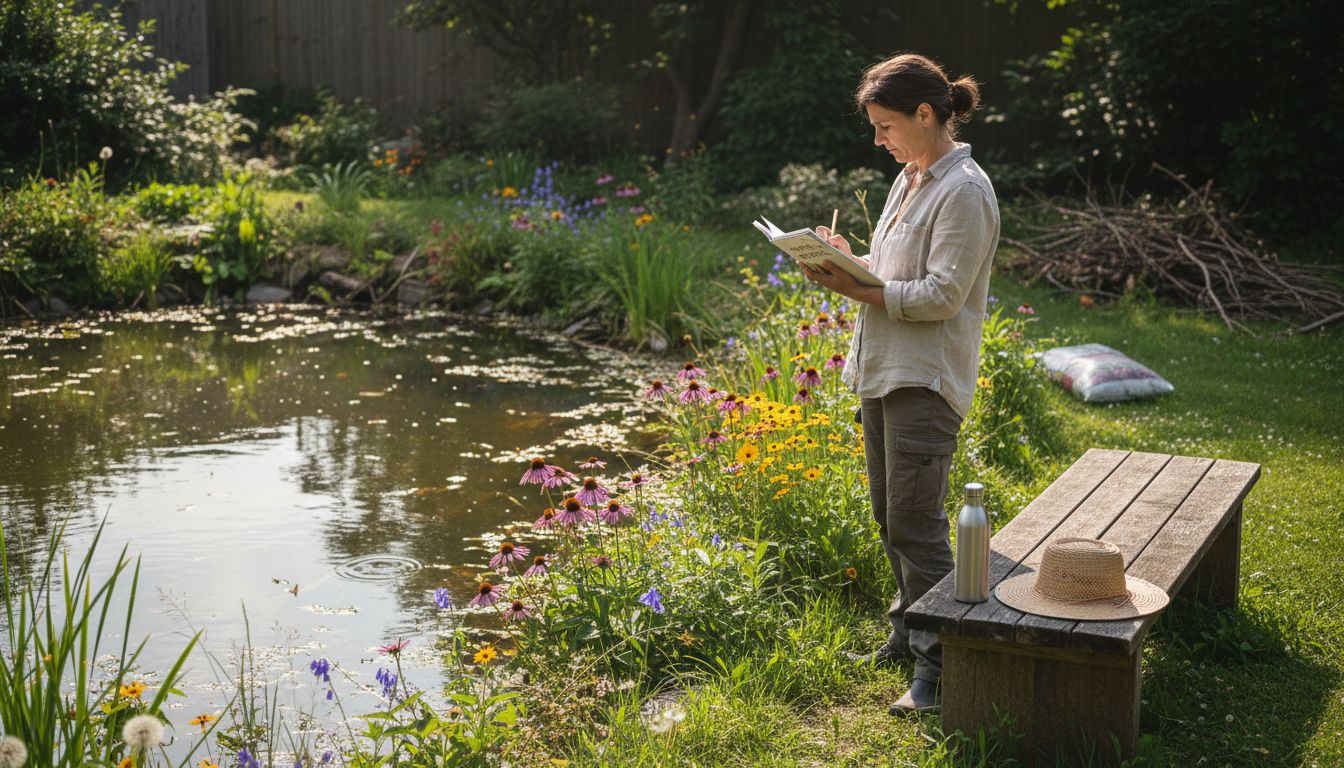
Permaculture principles guide sustainable garden management, emphasising three fundamental pillars: earth care, people care, and fair share. These principles demand a comprehensive understanding of ecosystem dynamics, local environmental conditions, and the intricate relationships between plants, wildlife, and human interventions.
Core responsibilities for homeowners and designers include:
- Promoting native biodiversity
- Implementing water-conservation strategies
- Maintaining soil health through organic practices
- Reducing chemical interventions
- Creating wildlife-supportive habitats
- Designing climate-resilient landscapes
- Minimising waste through composting and recycling
- Prioritising energy-efficient garden infrastructure
Successful garden stewardship requires continuous learning, adaptation, and a commitment to understanding the complex ecological systems within one’s outdoor space. By embracing these responsibilities, homeowners and designers can create regenerative landscapes that not only beautify their immediate environment but also contribute to broader ecological restoration efforts.
Pro tip: Develop a comprehensive garden management plan that maps seasonal requirements, ecological interactions, and long-term sustainability goals.
Risks, Costs, and Common Pitfalls to Avoid
Successful garden stewardship requires a nuanced understanding of potential challenges that can undermine ecological integrity and financial investment. Garden design risks extend far beyond aesthetic considerations, encompassing complex environmental, biological, and economic implications that demand strategic foresight and informed decision-making.
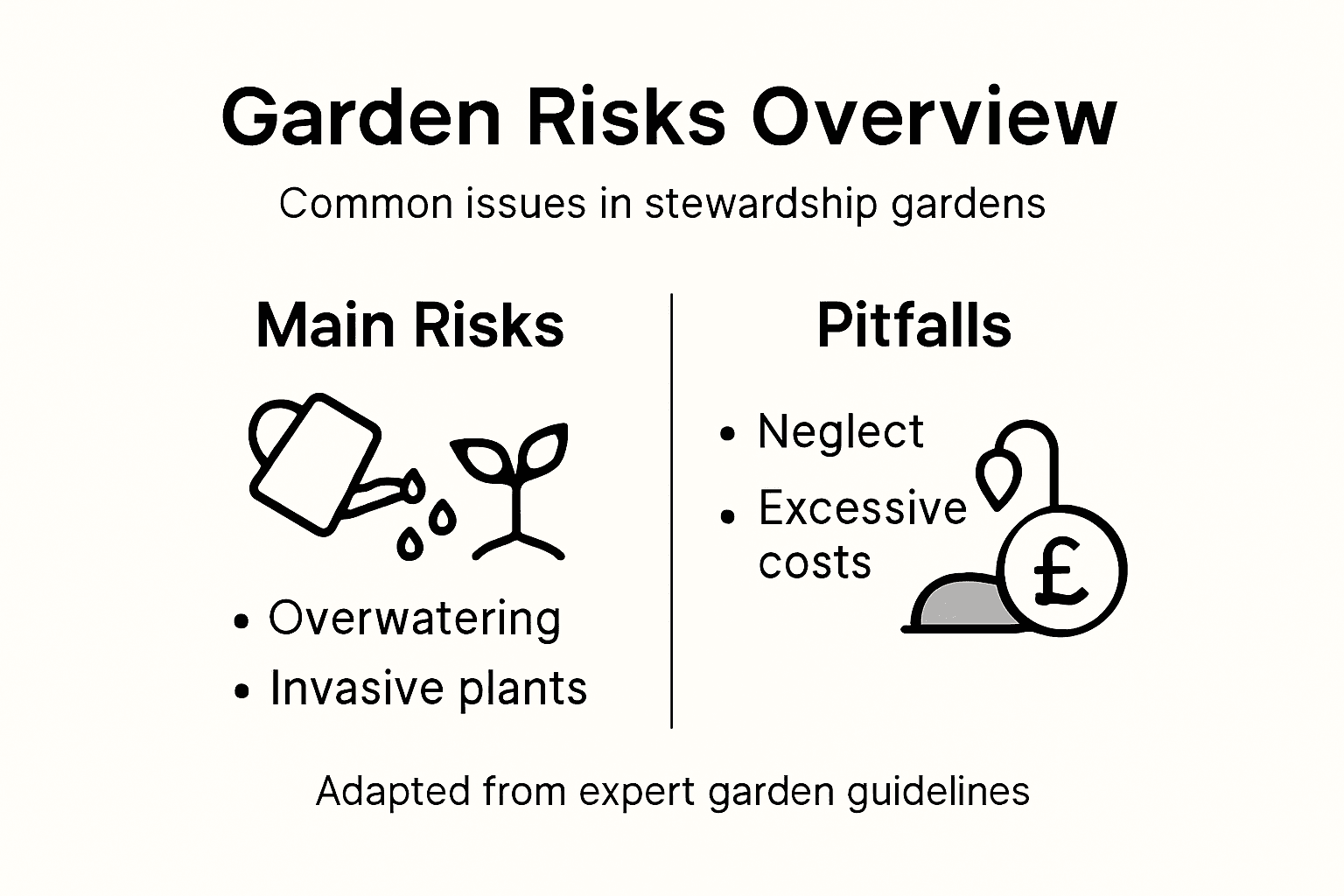
Sustainable gardening demands careful navigation of common ecological pitfalls, including resource mismanagement and uninformed interventions that can compromise garden health and ecosystem balance. Understanding these risks enables homeowners and designers to develop more resilient, adaptive green spaces that minimise environmental impact and maximise long-term sustainability.
Common risks and pitfalls in garden stewardship include:
- Overwatering leading to root rot and resource waste
- Improper plant spacing causing stunted growth
- Chemical interventions damaging beneficial organisms
- Neglecting soil health and biodiversity
- Selecting plants incompatible with local conditions
- Ignoring water conservation techniques
- Disrupting existing ecosystem relationships
- Implementing unsustainable maintenance practices
Financial considerations in garden stewardship extend beyond initial design and installation costs. Long-term expenses are significantly influenced by design choices, plant selection, and maintenance strategies. Sustainable approaches that prioritise native species, efficient water management, and organic practices can ultimately reduce ongoing maintenance costs while creating more resilient outdoor environments.
Understanding the distinctions between upfront and ongoing costs helps homeowners plan sustainable garden stewardship:
| Cost Type | Description | Long-Term Impact |
|---|---|---|
| Initial Installation | Design, soil prep, plant purchase | Influences future maintenance |
| Maintenance Expenses | Watering, pruning, fertilisation | Can decrease with sustainability |
| Resource Investment | Tools, compost, eco-infrastructure | Improves resilience and savings |
Pro tip: Conduct a comprehensive site assessment and develop a detailed, adaptable garden management plan that anticipates potential ecological challenges and financial implications.
Elevate Your Garden Stewardship with Wicked Gardens
Transforming your outdoor sanctuary into a sustainable, thriving ecosystem requires expert guidance tailored to your unique space and community. This article highlights key challenges such as promoting native biodiversity, conserving water, and adopting climate-resilient landscaping — all essential elements of effective garden stewardship. If you are seeking bespoke solutions that address these concerns and turn your garden into a responsible ecological haven Wicked Gardens LTD offers specialised services designed with these very goals in mind.
Discover how our award-winning team brings eco-friendly garden design, sustainable planting, and efficient irrigation to life across South East and Central London. Whether you are aiming for native plant promotion, water conservation techniques, or wildlife-friendly habitats our comprehensive approach ensures your garden supports both environmental stewardship and aesthetic excellence. Start your journey today by exploring our Gardening Archives – Wicked Gardens for inspiration and visit Wicked Gardens LTD to book a consultation. Embrace true garden stewardship now and create a lasting outdoor sanctuary that nurtures nature and nurtures you.
Frequently Asked Questions
What is garden stewardship?
Garden stewardship is a holistic approach to nurturing and protecting outdoor spaces, integrating environmental consciousness, biodiversity preservation, and sustainable management.
How can I promote biodiversity in my garden?
You can promote biodiversity by planting native species, creating wildlife habitats, minimizing chemical interventions, and supporting local ecosystem regeneration.
What sustainable practices can I implement in my garden?
Sustainable practices include using water-efficient irrigation systems, incorporating drought-resistant plants, and employing rainwater harvesting techniques, all of which contribute positively to local ecosystems.
What are some common pitfalls in garden stewardship?
Common pitfalls include overwatering, using chemical interventions improperly, neglecting soil health, and selecting plants that are not compatible with local conditions.
Recommended
- How Sustainable Landscaping Can Transform Your Garden (and Help the Planet) – Wicked Gardens
- Sustainable Garden Design Blackheath | Wicked Gardens
- 🌱 Eco-Friendly Landscaping: Sustainable Garden Design for London Homes – Wicked Gardens
- Top Tips for a Low-Maintenance Garden That Always Looks Stunning – Wicked Gardens
- 7 Practical Pool Landscaping Ideas for Central Florida Homes
- Smart Lawn & Landscape Tech – Tampa Area Lawns
- Role of Gutters in Landscaping Protection Florida