
Choosing the right plants for a luxury garden in South East London begins with a clear grasp of your property’s distinctive environment. Every outdoor space, even within Central London’s urban setting, holds unique microclimate features—differences in sun, wind, and moisture that profoundly affect plant success. The Royal Horticultural Society highlights the importance of understanding these fine details so your garden flourishes rather than falters. Discover why an initial, careful assessment is the key to creating a truly bespoke and sustainable garden.
Table of Contents
- Step 1: Assess Your Garden’s Unique Conditions
- Step 2: Establish Your Design Vision And Style
- Step 3: Choose Plants Suited To London’s Climate
- Step 4: Prioritise Eco-Friendly And Low-Maintenance Options
- Step 5: Evaluate And Refine Plant Selections On-Site
Quick Summary
| Key Insight | Explanation |
|---|---|
| 1. Assess your garden’s conditions | Understand microclimates to optimize plant selection and design. |
| 2. Define your design vision | Create a cohesive style that reflects your personal taste and lifestyle needs. |
| 3. Choose climate-appropriate plants | Select species that thrive in London’s specific climatic conditions. |
| 4. Implement eco-friendly practices | Focus on low-maintenance and sustainable options for long-term success. |
| 5. Monitor and adjust plant choices | Regular evaluation of plant performance ensures continual improvement of your garden. |
Step 1: Assess Your Garden’s Unique Conditions
Selecting the perfect plants for a luxury London garden requires a meticulous understanding of your specific outdoor environment. This initial assessment will help you determine the precise conditions that will influence your plant selection and overall garden design.
Begin by carefully examining the microclimate characteristics of your garden space. Every garden contains subtle variations in sun exposure, wind patterns, moisture levels, and temperature that can dramatically impact plant survival. The Royal Horticultural Society emphasises the importance of understanding garden microclimates, which can differ significantly even within small urban spaces.
To conduct a comprehensive assessment, consider the following key factors:
- Sunlight exposure: Track how sunlight moves across your garden throughout the day
- Wind patterns: Note areas of high and low wind exposure
- Soil composition: Test soil pH and drainage characteristics
- Topographical variations: Identify raised areas, slopes, or potential frost pockets
Government woodland guidance recommends examining site-specific conditions carefully to optimise plant selection and sustainability. This means understanding not just your garden’s overall aspect, but the nuanced environmental conditions within different garden zones.
Professional gardeners know that a successful London garden begins with precise environmental analysis.
Pro tip: Create a simple sketch of your garden, marking areas of sun, shade, wind exposure, and potential microclimates to guide your plant selection process.
Step 2: Establish Your Design Vision and Style
Crafting a luxury London garden requires more than simply selecting beautiful plants—it demands a thoughtful, strategic approach to design that reflects your personal aesthetic and lifestyle. This step will help you develop a cohesive vision that transforms your outdoor space into a stunning, functional sanctuary.

Begin by exploring design principles through a structured design innovation framework, which encourages a systematic yet creative approach to garden planning. The key is understanding how different design elements work together to create a harmonious environment that feels both intentional and organic.
Consider your design vision across several critical dimensions:
- Aesthetic style: Determine whether you prefer modern minimalist, traditional English, Mediterranean, or contemporary urban garden designs
- Functional requirements: Identify how you want to use the space (entertaining, relaxation, dining, meditation)
- Colour palette: Select a harmonious range of colours that complement your home’s exterior and personal taste
- Architectural elements: Decide on hardscaping features like pathways, seating areas, water features
Your garden design should tell a story about your personal style while maintaining practical considerations. The Design Council’s approach emphasises creating designs that are not just visually appealing, but also sustainable and contextually appropriate.
Here is a concise comparison of popular luxury London garden design styles and their distinguishing features:
| Design Style | Key Materials | Notable Plant Types | Typical Features |
|---|---|---|---|
| Modern Minimalist | Porcelain paving, steel | Ornamental grasses | Clean lines, sculptural form |
| Traditional English | Brick, gravel, timber | Roses, boxwood | Herbaceous borders, hedging |
| Mediterranean | Terracotta, stone | Lavender, olive trees | Sun-loving planting, pots |
| Contemporary Urban | Polished concrete, glass | Bamboo, palms | Bold shapes, green walls |
A truly exceptional garden design seamlessly blends aesthetic vision with functional elegance.
Pro tip: Create a mood board combining garden images, colour swatches, and architectural sketches to crystallise your design vision before making any physical changes.
Step 3: Choose Plants Suited to London’s Climate
Selecting the right plants for a luxury London garden requires a nuanced understanding of the city’s unique microclimate and seasonal variations. Your goal is to create a stunning landscape that not only looks beautiful but thrives effortlessly in London’s temperate maritime environment.
Start by focusing on winter-hardy plant species that can withstand the city’s cool, damp conditions. London’s urban landscape presents specific challenges, including variable moisture levels, occasional frost, and limited direct sunlight in many garden spaces.
Consider these critical factors when selecting plants:
- Native adaptability: Choose plants naturally suited to British growing conditions
- Seasonal resilience: Select species that maintain visual interest throughout the year
- Micro-climate tolerance: Match plants to specific light and moisture conditions in your garden
- Urban environment compatibility: Prioritise plants that can tolerate pollution and limited root space
The Woodland Trust emphasises the importance of choosing native and well-adapted species that not only survive but contribute to local biodiversity. This approach ensures your luxury garden remains both aesthetically pleasing and environmentally responsible.
A truly sophisticated London garden harmonises beauty with ecological intelligence.
Pro tip: Consult local garden centres or specialist nurseries for expert advice on plant varieties specifically thriving in London’s unique urban microclimate.
Step 4: Prioritise Eco-Friendly and Low-Maintenance Options
Transforming your London garden into a sustainable sanctuary requires strategic planning that balances aesthetic elegance with environmental responsibility. This approach ensures your luxury outdoor space remains both stunning and ecologically intelligent.
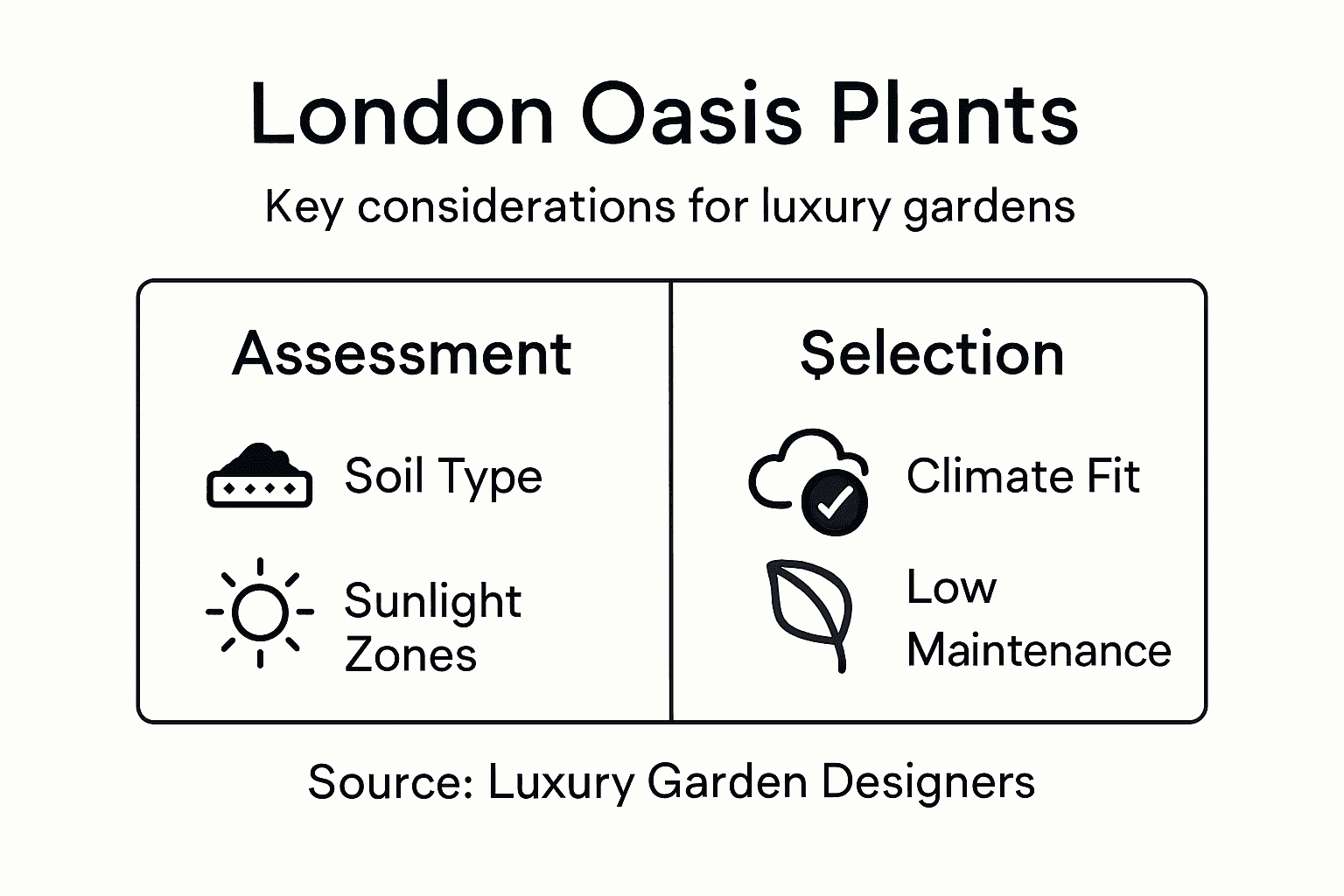
Begin by exploring planet-friendly gardening techniques that minimise your environmental footprint while creating a breathtaking landscape. Understanding how to make intelligent design choices can dramatically reduce maintenance requirements and support local biodiversity.
Consider these critical eco-friendly strategies:
- Native plant selection: Choose species indigenous to British landscapes
- Water conservation: Implement efficient irrigation systems and drought-tolerant plantings
- Sustainable materials: Use recycled or locally sourced hardscaping components
- Minimal intervention design: Create planting schemes that naturally self-regulate
Your goal is to develop a low-maintenance garden ecosystem that thrives with minimal human intervention. By selecting hardy, resilient plants adapted to London’s unique microclimate, you can create a garden that looks immaculate without constant attention.
The following summary outlines the benefits of prioritising eco-friendly, low-maintenance garden options:
| Strategy | Main Benefit | Long-Term Impact |
|---|---|---|
| Native planting | Supports local wildlife | Enhances ecosystem resilience |
| Water-wise irrigation | Reduces utility consumption | Mitigates drought effects |
| Sustainable hardscaping | Lowers carbon footprint | Promotes resource efficiency |
| Minimal intervention | Less ongoing maintenance | Encourages natural balance |
Sustainable luxury is about creating beauty that works harmoniously with nature.
Pro tip: Invest in quality, slow-growing plants that require minimal pruning and create a naturalistic, self-sustaining garden aesthetic.
Step 5: Evaluate and Refine Plant Selections On-Site
Successful garden design is an iterative process that requires careful observation and strategic refinement. Your luxury London garden will evolve through thoughtful plant performance monitoring and responsive management.
Utilise plant survey methods to systematically assess your garden’s plant health and ecosystem dynamics. This approach allows you to make informed decisions about which specimens thrive and which might need replacement or additional support.
Key evaluation criteria include:
- Growth rate and vigour: Track how quickly plants establish and spread
- Health indicators: Monitor leaf colour, structural integrity, and disease resistance
- Seasonal performance: Assess visual interest and adaptability throughout different seasons
- Ecosystem interaction: Observe wildlife attraction and pollinator engagement
The Royal Horticultural Society recommends an adaptive approach to garden composition, which means being prepared to propagate successful plants or introduce new varieties that better suit your specific microclimate.
A truly exceptional garden is not static, but a living, breathing ecosystem that continuously adapts and improves.
Pro tip: Keep a detailed garden journal documenting each plant’s performance, noting precise location, growth patterns, and seasonal changes to inform future design decisions.
Bring Your Luxury London Garden Vision to Life with Wicked Gardens
Selecting the perfect plants for a luxury London oasis requires expert knowledge of your garden’s unique microclimate and style preferences. If you find yourself navigating challenges like choosing winter-hardy species, balancing eco-friendly options, or creating a cohesive design that reflects your lifestyle, Wicked Gardens is here to help. We specialise in bespoke, high-end garden design and landscaping solutions that capture your vision while prioritising sustainability and low-maintenance beauty.
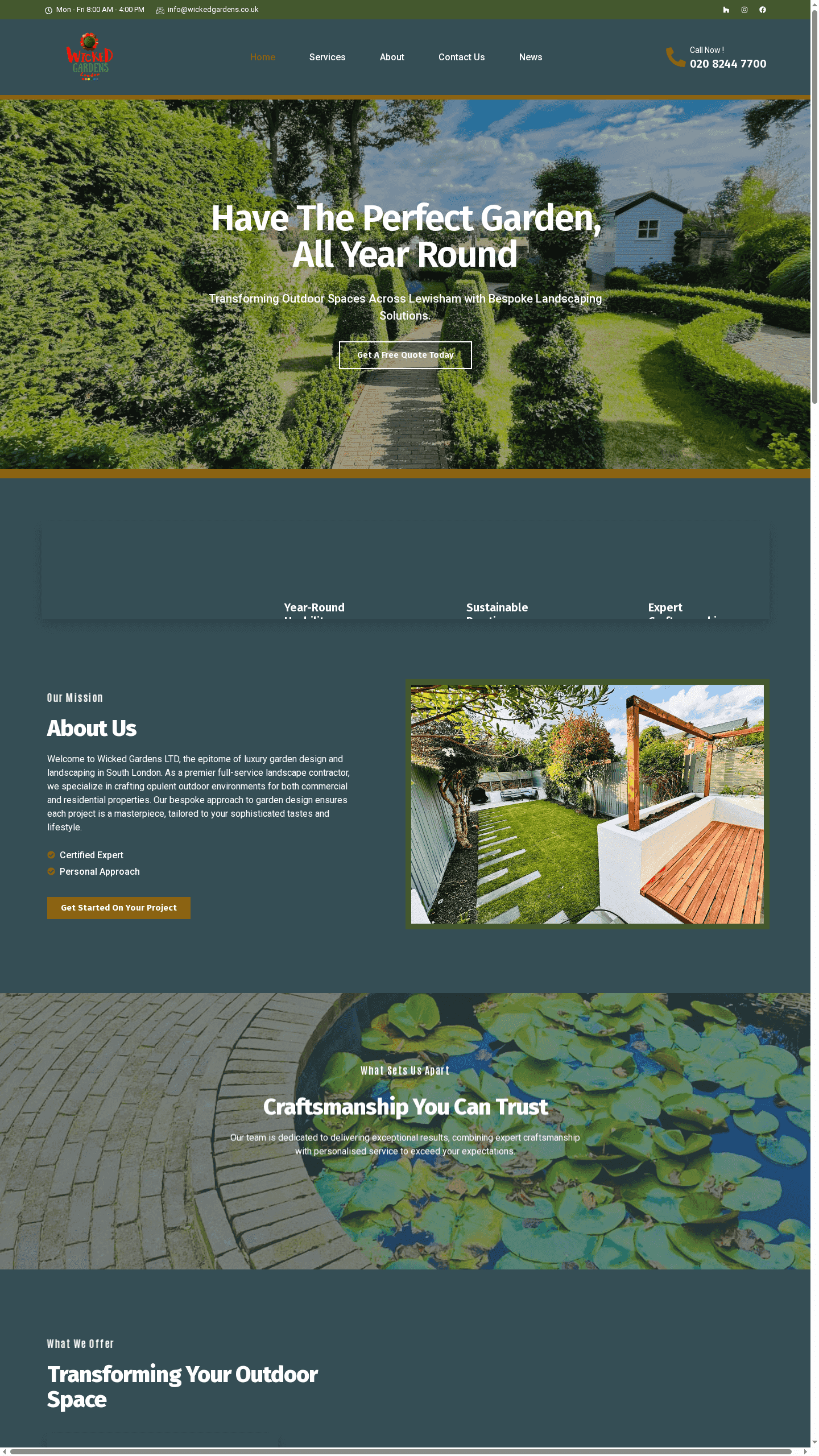
Explore our Gardening Archives – Wicked Gardens to discover tips and inspiration. Ready to transform your outdoor space into an exceptional sanctuary? Visit Wicked Gardens LTD today to connect with our expert team and start your personalised garden journey. Embark on the path to a stunning, eco-conscious luxury garden that thrives year-round.
Frequently Asked Questions
How can I assess my garden’s unique conditions for selecting suitable plants?
Begin by observing key factors such as sunlight exposure, wind patterns, and soil composition. Create a simple sketch of your garden to mark different areas, which will help guide your plant selection process.
What design elements should I consider when creating a luxury London garden?
Focus on your preferred aesthetic style, functional requirements, and colour palette. By combining these elements, you can develop a cohesive garden design that reflects your personal taste and enhances your outdoor space.
Which plants are best suited for London’s climate?
Select winter-hardy plant species that can thrive in the city’s cool and damp conditions. Prioritise native species and those that maintain visual interest throughout the year to create a resilient landscape.
How can I create an eco-friendly and low-maintenance garden?
Choose native plants to support local wildlife and implement efficient irrigation systems. By focusing on sustainable materials and minimal intervention designs, you can achieve an attractive garden that requires less ongoing maintenance.
How can I evaluate and refine my plant selections on-site?
Monitor your garden’s plant health regularly by tracking growth rates and identifying any issues. Keep a detailed garden journal documenting plant performance, which will help you make informed decisions about replacements or additional support.
What strategies can I use to ensure my luxury garden is both beautiful and sustainable?
Incorporate eco-friendly techniques such as water conservation and native planting. By creating a low-maintenance ecosystem that naturally balances itself, you can achieve a stunning garden that works harmoniously with the environment.