
For many discerning homeowners across South East London, transforming a garden or roof terrace into a true haven begins with the right paving. Luxury outdoor spaces deserve more than just a practical finish—they require a foundation that merges visual beauty with eco-friendly engineering. As demand grows for bespoke, sustainable solutions, understanding modern paving methods unlocks new opportunities for elegance, resilience, and responsible water management in your property’s most prized settings.
Table of Contents
- Defining Paving In Modern Landscaping
- Types Of Paving For Premium Gardens
- The Installation Process And Materials
- Legal Requirements And Safety Standards
- Costs, Maintenance And Eco-Friendly Alternatives
Key Takeaways
| Point | Details |
|---|---|
| Modern Paving | Contemporary paving prioritises environmental sustainability and effective water management through permeable materials and innovative designs. |
| Premium Paving Types | High-end garden designs benefit from a selection of materials including natural stone, concrete pavers, and recycled options that offer both aesthetic value and durability. |
| Installation Considerations | Professional installation requires meticulous attention to detail, including proper ground preparation and drainage management, to ensure longevity and performance. |
| Legal and Safety Standards | Compliance with local regulations and safety standards is crucial for paving projects to protect public safety and promote sustainable practices. |
Defining Paving in Modern Landscaping
Paving represents a foundational element of contemporary landscape design, transforming outdoor spaces with functional and aesthetic possibilities. In essence, it involves creating hard surface areas using carefully selected materials that serve both practical and visual purposes.
Modern landscaping has dramatically evolved the concept of paving, particularly through sustainable drainage approaches. Unlike traditional impermeable surfaces, contemporary paving solutions prioritise environmental considerations and water management.
Key characteristics of modern paving include:
- Permeable material options that allow water absorption
- Environmentally responsive design
- Integration with natural landscape systems
- Aesthetic versatility across different architectural styles
The technical definition of paving encompasses hard surface installations created from materials like:
- Natural stone
- Concrete pavers
- Clay brick
- Reclaimed or recycled materials
- Engineered composite surfaces
Permeable paving technologies represent a significant advancement in landscaping, enabling water to filter through surfaces while reducing runoff and potential flooding risks. These innovative approaches transform paving from a mere functional requirement into an intelligent environmental management strategy.
Pro tip: When selecting paving materials, consider both aesthetic appeal and environmental performance to create a sustainable, visually striking landscape design.
Types of Paving for Premium Gardens
Premium garden design demands sophisticated paving solutions that blend aesthetic elegance with functional performance. Modern landscaping offers an array of materials and techniques to create stunning outdoor spaces that reflect discerning homeowners’ tastes and environmental consciousness.
External concrete paving technologies provide exceptional versatility for high-end landscape designs, offering durability, structural integrity, and remarkable design flexibility. These advanced materials enable landscape professionals to craft intricate surface treatments that withstand intense usage while maintaining visual sophistication.
Key premium paving types include:
- Natural stone pavers with unique textural characteristics
- Modular concrete installations with precision engineering
- Handcrafted clay brick designs
- Sustainable recycled material options
- Engineered composite surfaces with enhanced performance
Selecting appropriate paving involves considering multiple critical factors:
The following table compares popular paving materials used in premium gardens, summarising their key features:
| Material Type | Visual Appeal | Durability | Sustainability Aspects |
|---|---|---|---|
| Natural Stone | Distinctive, elegant | Exceptionally high | Locally sourced options |
| Concrete Pavers | Highly customisable | Very robust | Recyclable manufacturing |
| Clay Brick | Warm traditional feel | Resistant to frost | Made from natural clay |
| Recycled Materials | Varied modern styles | Moderate to high | Reuses waste, reduces impact |
| Composite Surfaces | Uniform contemporary | Designed for strength | Uses low-carbon processes |
- Aesthetic compatibility with architectural style
- Drainage and permeability requirements
- Long-term maintenance expectations
- Environmental sustainability
- Budget considerations
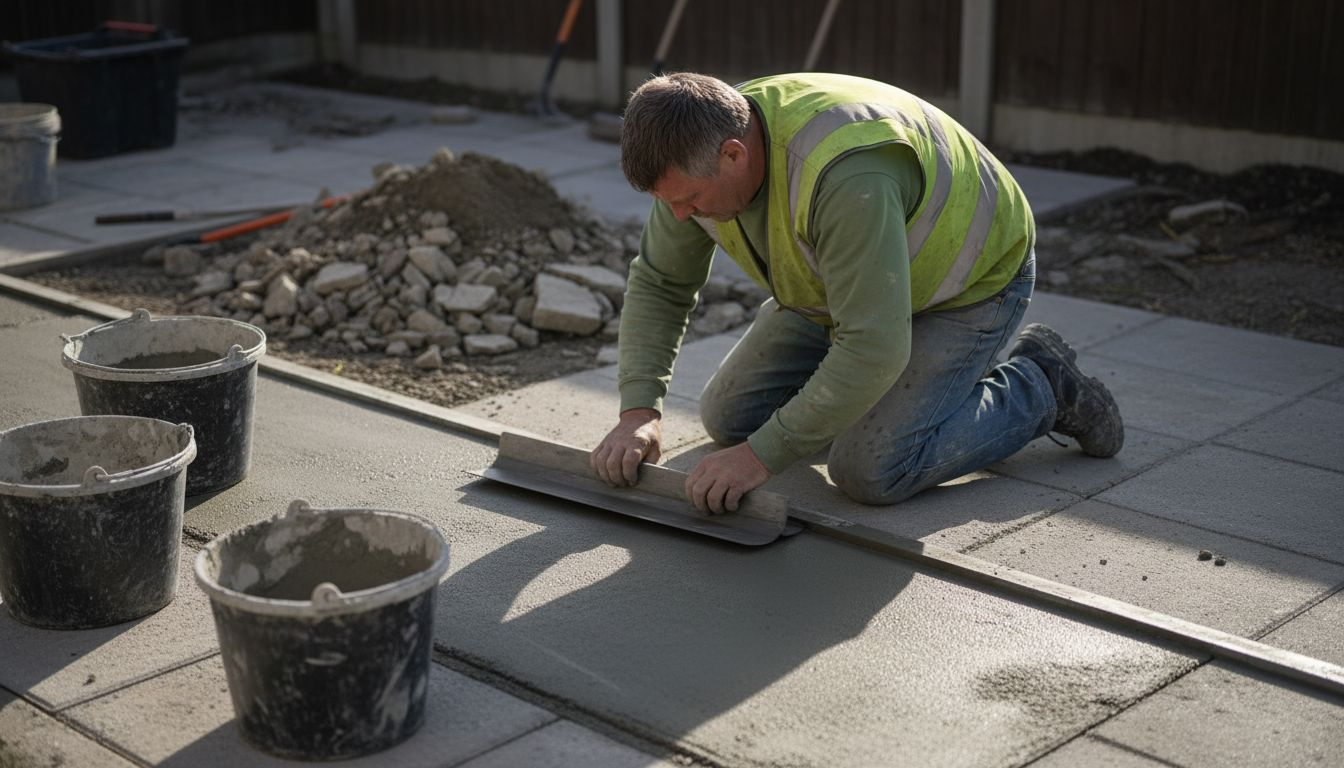
Concrete paving techniques offer remarkable opportunities for creating bespoke outdoor environments. These materials can be textured, coloured, and configured to produce unique landscape experiences that transform ordinary gardens into extraordinary outdoor sanctuaries.
Pro tip: Always request material samples and view installation examples before making final paving selections to ensure perfect aesthetic and functional alignment with your premium garden vision.
The Installation Process and Materials
Paving installation represents a sophisticated technical process that demands precision, expertise, and meticulous attention to detail. Professional landscapers approach each project as a unique challenge, carefully selecting materials and techniques to ensure long-lasting, aesthetically pleasing results.
Paving installation methods involve complex preparation stages that are critical to achieving a superior finish. The foundation represents the most crucial element, requiring careful ground assessment, levelling, and creating a stable substrate that can support the chosen paving materials.
Key installation considerations include:
- Precise ground preparation and levelling
- Selection of appropriate base materials
- Proper drainage implementation
- Accurate material measurement
- Consistent joint alignment
- Effective moisture barrier installation
Material selection for premium paving requires understanding multiple technical parameters:
- Compressive strength
- Water absorption rates
- Frost resistance
- Surface texture
- Colour stability
Pointing and joint techniques play a critical role in ensuring the longevity and performance of paved surfaces. Professional installers typically use specialised mortar mixes, with sand-to-cement ratios carefully calculated to create water-tight, durable connections between paving elements.
Professional paving installation is an art form that balances technical precision with aesthetic vision.
Pro tip: Invest in professional site assessment and preparation to guarantee your paving installation’s long-term performance and visual excellence.
Legal Requirements and Safety Standards
Navigating the complex landscape of legal requirements for landscaping paving involves understanding multiple regulatory frameworks that ensure safety, accessibility, and environmental responsibility. Professional landscapers must remain meticulously informed about evolving governmental guidelines and local authority regulations.
Updated design guidance provides comprehensive standards for landscaping projects, emphasising sustainable development practices and community wellbeing. These regulations address critical aspects such as flood risk management, accessibility considerations, and environmental impact assessments.
Key legal compliance areas include:
- Obtaining necessary planning permissions
- Meeting building regulation standards
- Ensuring accessibility for all users
- Managing surface water drainage
- Complying with local authority specifications
- Implementing sustainable design principles
Critical safety considerations involve:
- Structural integrity of paving surfaces
- Slip resistance
- Load-bearing capacity
- Edge protection
- Drainage system effectiveness
Pavement licensing requirements play a significant role in urban landscaping projects, particularly those involving public spaces or commercial developments. These regulations aim to prevent obstruction, ensure pedestrian safety, and maintain clear pathways for public use.
Compliance is not just a legal obligation, but a commitment to creating safe, sustainable outdoor environments.
Pro tip: Consult local planning authorities and engage a professional landscape consultant to navigate complex legal requirements and ensure full regulatory compliance.
Costs, Maintenance and Eco-Friendly Alternatives
Understanding the financial and environmental considerations of landscape paving requires a holistic approach that balances aesthetic appeal, long-term durability, and ecological responsibility. Homeowners must consider not just initial installation costs, but ongoing maintenance expenses and potential environmental impacts.
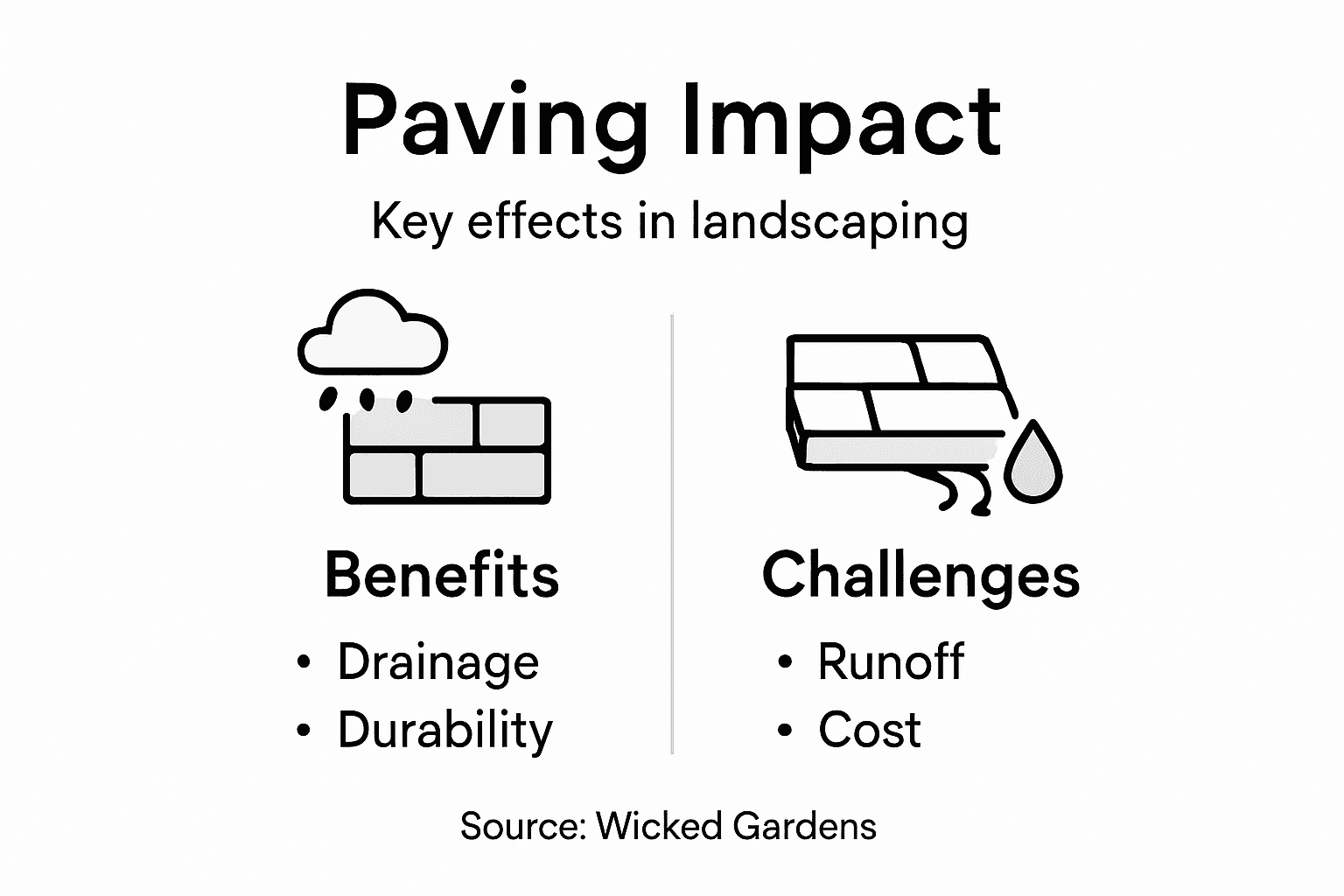
Sustainable paving maintenance strategies emphasise regular inspection and proactive care to preserve surface integrity and performance. Professional landscapers recommend developing a comprehensive maintenance plan that addresses potential wear, drainage issues, and aesthetic preservation.
Cost factors for paving installations include:
- Initial material procurement
- Professional installation expenses
- Long-term maintenance requirements
- Potential repair or replacement costs
- Surface treatment and sealing expenditures
- Drainage system integration
Eco-friendly paving alternatives offer significant environmental benefits:
Here is a summary of eco-friendly paving alternatives and their unique contributions to landscape sustainability:
| Alternative Type | Environmental Benefit | Ideal Applications |
|---|---|---|
| Permeable Technologies | Improves drainage, reduces runoff | Driveways, patios, pathways |
| Recycled Materials | Minimises landfill, conserves resources | Urban gardens, footpaths |
| Locally Sourced Stone | Lowers transport emissions | Terraces, garden borders |
| Low-Carbon Manufacturing | Reduces energy footprint | Modern outdoor areas |
| Biodiversity-supporting | Encourages native plants | Green spaces, wildlife zones |
- Permeable surface technologies
- Recycled material utilisation
- Locally sourced stone options
- Low-carbon manufacturing processes
- Biodiversity-supporting design approaches
Permeable paving solutions represent a progressive approach to landscape design, enabling effective water management while reducing environmental impact. These innovative systems support natural drainage, minimise flood risks, and contribute to broader ecological conservation efforts.
Sustainable paving is an investment in both property value and environmental stewardship.
Pro tip: Request comprehensive lifecycle cost analyses from landscaping professionals to understand the true long-term value of your paving investment.
Transform Your Outdoor Space with Bespoke, Sustainable Paving Solutions
Understanding the impact of paving in landscaping reveals common challenges such as balancing durability, environmental sustainability, and aesthetic appeal. If you seek eco-friendly permeable paving that manages water efficiently while enhancing your garden’s elegance, Wicked Gardens LTD offers tailored services that address these exact concerns. Our expertise in high-end, sustainable garden design prioritises materials that are both beautiful and kind to the environment.
Explore how bespoke paving can elevate your garden through our comprehensive Gardening Archives – Wicked Gardens where you will find innovative ideas informed by modern landscaping principles. Ready to make a lasting investment in your outdoor space with a focus on aesthetic harmony and sustainable practice? Contact us now at Wicked Gardens LTD to discuss your personalised paving project and enjoy expert guidance every step of the way.
Frequently Asked Questions
What is paving in landscaping?
Paving in landscaping refers to the creation of hard surface areas using materials such as natural stone, concrete pavers, and clay brick, to enhance both the function and aesthetics of outdoor spaces.
What are the benefits of using permeable paving?
Permeable paving allows water to filter through surfaces, improving drainage, reducing runoff, and minimising the risk of flooding, making it an environmentally friendly choice in landscaping.
How do I choose the right paving material for my garden?
Consider factors such as aesthetic compatibility with your home, durability, maintenance requirements, permeability for drainage, and overall sustainability to select the best paving material for your garden.
What are some eco-friendly alternatives for paving?
Eco-friendly paving options include permeable technologies, recycled materials, locally sourced stone, low-carbon manufacturing, and biodiversity-supporting designs that contribute to sustainable landscape practices.
Recommended
- How to Add Kerb Appeal with Professional Landscaping – Wicked Gardens
- The Benefits of Hiring a Professional Landscaping Service – Wicked Gardens
- Landscaping South East London | Premium Gardens
- How Landscaping Can Boost Your Property Value in Lewisham – Wicked Gardens
- Best Guide About Land Drain Installation in 2024
- Role of Gutters in Landscaping Protection Florida
- Natural Stone Sealers: Protecting Surfaces Sustainably