
Luxury gardens in South East London face a familiar challenge: achieving year-round beauty without constant interventions. When you embrace seasonal planting, your garden becomes vibrant, sustainable, and perfectly in tune with British climate cycles. By matching plant choices to natural weather patterns, you maximise growth, reduce waste, and support local biodiversity. This approach transforms your outdoor space into a thriving sanctuary with fewer maintenance demands and lasting visual appeal.
Table of Contents
- What Seasonal Planting Means in the UK
- Types of Seasonal Planting for London Homes
- Benefits to Garden Aesthetics and Biodiversity
- Sustainability and Garden Maintenance Impacts
- Common Mistakes in Seasonal Planting Planning
Key Takeaways
| Point | Details |
|---|---|
| Understanding Seasonal Planting | Aligning planting with seasonal climate promotes successful growth and reduces resource waste. |
| Microclimate Awareness | Recognising specific microclimate conditions is crucial for optimising planting times and plant choices. |
| Focus on Sustainability | Seasonal planting enhances garden resilience and reduces maintenance by working with natural growth cycles. |
| Avoiding Common Mistakes | Proper timing, soil preparation, and spacing are vital to prevent plant failure and ensure healthy establishment. |
What Seasonal Planting Means in the UK
Seasonal planting means aligning what you grow with what nature offers in each season. Rather than fighting the climate, you work with it—planting spring bulbs when frost retreats, summer perennials when warmth arrives, autumn vegetables as temperatures cool, and winter evergreens when deciduous plants rest.
Pro tip: Start by identifying your first and last frost dates using your postcode—they determine your safe planting windows for the entire year.
In practice, seasonal planting requires understanding UK climate patterns and the specific conditions each season delivers. This isn’t about intuition or guesswork. It’s about matching plant needs to environmental reality.
Each season brings different opportunities:
- Spring – Renewed growth after winter; ideal for cool-weather crops, early annuals, and tender perennials once frost risk passes
- Summer – Peak warmth and long daylight; perfect for heat-loving plants, vibrant blooms, and productive vegetable harvests
- Autumn – Cooling temperatures and autumn rainfall; suited to hardy vegetables, spring-flowering bulbs, and garden preparation
- Winter – Dormancy period; focus on evergreens, structural planting, and planning next year’s design
Luxury London gardens don’t simply look beautiful by chance. They thrive because owners understand that planting at the wrong time wastes money and produces disappointment. A clematis planted in deep winter rarely establishes before spring drought. A tender bedding plant set out too early gets blackened by frost.
Seasonal planting maximises your garden’s success rate while maintaining aesthetic appeal throughout the year.
The approach saves time and money. You plant when conditions favour establishment, not when the garden centre has stock. Your soil is warmer for faster root development. Rainfall patterns align with growth demands. Pests and diseases are naturally lower during optimal planting seasons.
For affluent homeowners in South East London, this translates to gardens that perform beautifully without constant interventions. Less fussing. More flourishing.
Understanding your microclimate matters too. A south-facing Chelsea terrace experiences different conditions than a north-facing Dulwich garden. Seasonal windows shift slightly based on aspect, soil type, and shelter from buildings.
The result is a garden that feels alive and responsive rather than struggling against impossible odds.
Types of Seasonal Planting for London Homes
Seasonal planting for London homes breaks down into four distinct approaches, each tailored to what the season naturally supports. You’re not choosing randomly—you’re working with temperature, rainfall, and daylight to maximise success rates and garden performance.
Spring planting focuses on renewal and establishment. This is when hardy vegetables like peas and broad beans thrive in cooling soil, early annuals provide colour bursts, and tender perennials go in once frost risk passes. It’s the season of possibility, where winter-dormant soil warms and growth accelerates.
Summer brings heat-loving crops and vibrant blooms. Tomatoes, beans, and courgettes flourish in sustained warmth. Sunflowers, dahlias, and tender bedding plants deliver maximum visual impact. Seasonal layering with bulbs, perennials, and annuals ensures continuous colour through strategic planting timing rather than relying on single bursts.
Autumn is preparation season. Cool-weather crops like kale and spinach establish strong root systems before winter. Spring-flowering bulbs—tulips, daffodils, crocuses—go in now for next year’s display. The soil retains summer warmth whilst autumn rainfall supports establishment.
Winter shifts focus to structure and planning. Evergreens, ornamental grasses, and winter-flowering plants keep gardens visually interesting. This is when you plant bare-root trees and shrubs during dormancy.
For London homes, think about what works:
- Edible focus – Vegetables and herbs rotated seasonally for productivity and freshness
- Decorative focus – Flowering plants, foliage, and structural elements for visual appeal year-round
- Mixed approach – Combining edibles with ornamentals for beauty and function
The best luxury gardens layer different plant types across seasons, creating visual richness rather than relying on single seasonal peaks.
Your London microclimate matters here. A Kensington townhouse garden with south-facing walls can extend summer planting earlier and push autumn plantings later than a north-facing Chelsea property. Soil type, wind exposure, and surrounding buildings all shift your seasonal windows slightly.
Herbs deserve special mention. Spring brings cilantro and parsley. Summer heats up basil, oregano, and thyme. Autumn establishes hardier varieties. Winter rosemary and bay remain productive.
Pro tip: Create a seasonal planting calendar specific to your garden’s aspect and microclimate, noting first and last frost dates, then plan what goes where each season.
To clarify seasonal planting strategies, here’s a summary of recommended plant types for each season in London gardens:
| Season | Best Edible Plants | Best Ornamental Plants | Key Benefit |
|---|---|---|---|
| Spring | Peas, broad beans, parsley | Early annuals, tender perennials | Rapid establishment after winter |
| Summer | Tomatoes, courgettes, basil | Sunflowers, dahlias, bedding plants | Maximum colour and harvest |
| Autumn | Kale, spinach, hardy herbs | Tulips, daffodils, crocuses | Strong roots before winter |
| Winter | Rosemary, bay | Evergreens, ornamental grasses | Visual structure, garden planning |
Benefits to Garden Aesthetics and Biodiversity
Seasonal planting delivers a dual payoff for luxury London gardens: they look stunning whilst becoming thriving ecological spaces. This isn’t a trade-off—beauty and biodiversity work together when you plant seasonally.
Start with aesthetics. A garden with thoughtful seasonal planting never looks tired or bare. Spring brings fresh greens and early bulb colour. Summer explodes with vibrant blooms and lush foliage. Autumn introduces warm tones, ornamental grasses, and structural interest. Winter evergreens and silvery plants keep the garden alive visually when deciduous plants rest.
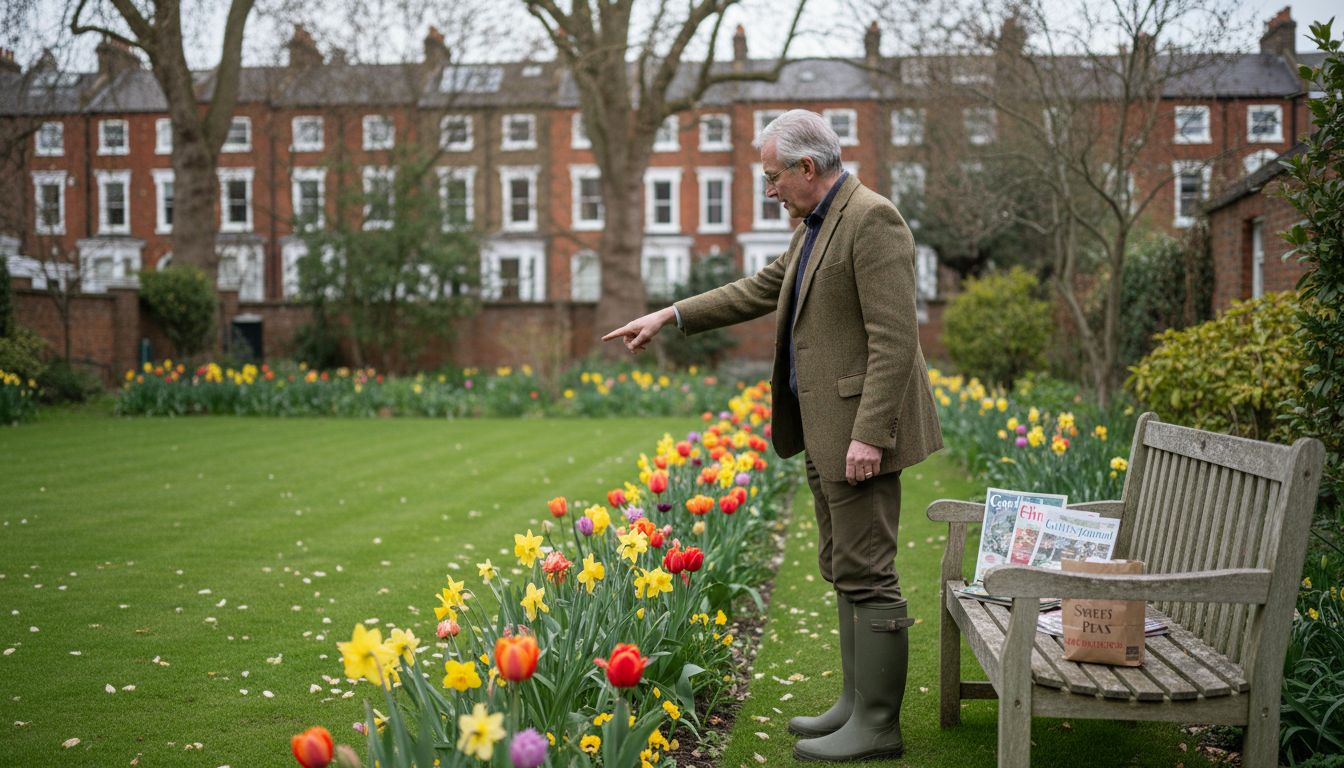
This continuous change creates visual richness that static planting simply cannot match. Rather than one peak season followed by months of mediocrity, you get rolling interest throughout the year.
Biodiversity is where the real benefit emerges. Gardens provide crucial habitats supporting butterflies, amphibians, birds, and mammals. Seasonal planting amplifies this by offering food and shelter year-round rather than only during peak summer months.
Here’s what seasonal planting does for wildlife:
- Spring – Early pollen and nectar sources fuel insects emerging from dormancy; nesting sites develop
- Summer – Peak food abundance supports breeding birds, butterflies, and beneficial insects
- Autumn – Seeds and berries sustain migrating species; shelter builds for hibernation
- Winter – Evergreens provide shelter; persistent seedheads feed overwintering birds
For affluent London homeowners, this translates to gardens that attract desirable wildlife. Pollinators that boost productivity. Garden birds that provide daily visual interest. Natural pest control from beneficial insects reducing reliance on interventions.
A seasonally planted garden becomes a living, dynamic space rather than a static landscape—better looking and ecologically valuable.
Your garden’s microclimate shapes which species thrive. A Chelsea townhouse with south-facing walls and mature trees creates different wildlife opportunities than a Dulwich garden with open aspects. Seasonal planting lets you optimise for what naturally thrives in your specific space.
Climate resilience matters too. Gardens with year-round plant diversity weather environmental fluctuations better than monoculture plantings. Varied plants support varied wildlife, creating redundancy. If one species struggles, others compensate.
Pro tip: Select plants specifically for seasonal wildlife value—native shrubs for autumn berries, spring bulbs for early pollinators, winter evergreens for shelter—and watch your garden become a magnet for beneficial species.
Sustainability and Garden Maintenance Impacts
Seasonal planting transforms how your garden operates ecologically and practically. It reduces waste, cuts maintenance demands, and lowers environmental impact—benefits that compound over time for luxury London homeowners.
Start with water efficiency. Plants established during their optimal seasons develop robust root systems that require less supplementary watering. Spring-planted perennials establish through natural rainfall. Autumn-planted shrubs root through winter moisture. Summer plantings still need support, but autumn and spring plantings tap into seasonal water abundance naturally.
Compare this to planting species against their seasonal preference—it demands constant irrigation and often fails regardless. You’re fighting nature rather than working with it.
Seasonal planting aligns with natural growth cycles for efficient water and nutrient use, reducing resource waste significantly. Fewer inputs mean lower costs and lighter environmental footprints.
Chemical use drops dramatically too. When plants establish in favourable seasons, they grow vigorously and resist pests naturally. A healthy spring-planted perennial outcompetes weeds without herbicide intervention. Seasonal planting creates conditions where ecosystems regulate themselves.
Maintenance shifts fundamentally:
- Spring – Light deadheading and tidying; new growth energizes the space
- Summer – Regular watering and deadheading maintain blooms; productivity peaks
- Autumn – Seed collection, planting for spring, preparing shelter
- Winter – Minimal intervention; structural plants carry visual interest
You’re not fighting overgrowth in one season and dealing with bare earth in another. Maintenance spreads logically across the year, preventing backlog and burnout.
Seasonal planting creates lower-maintenance gardens through alignment with natural cycles rather than relying on constant intervention.
For affluent London residents, this means gardens that practically run themselves. Expensive automated irrigation becomes less necessary. Landscape contractors need fewer visits. The garden becomes a living asset that improves with time rather than deteriorates.
Soil quality improves steadily. Diverse plantings throughout the year prevent bare ground where compaction and erosion occur. Seasonal decomposition enriches soil naturally. You build fertility instead of depleting it.
Long-term sustainability is where seasonal planting genuinely shines. Year after year, your garden becomes more resilient, more self-sufficient, and less resource-hungry.
Pro tip: Plan your seasonal planting schedule to include plants that naturally suppress weeds and pests—native spring bulbs, summer groundcovers, autumn berries—reducing reliance on chemical interventions.
To support sustainable garden care, here’s a comparison of seasonal maintenance tasks and ecological benefits:
| Season | Typical Maintenance | Ecological Impact | Resource Efficiency |
|---|---|---|---|
| Spring | Deadheading, tidying | Boosts pollinator activity | Natural rainfall aids growth |
| Summer | Watering, pruning | Supports breeding wildlife | Sunlight maximises photosynthesis |
| Autumn | Planting, collecting seeds | Strengthens root systems | Rainfall helps establishment |
| Winter | Minimal intervention | Provides shelter for birds | Reduces need for irrigation |
Common Mistakes in Seasonal Planting Planning
Even experienced gardeners stumble with seasonal planting. The mistakes seem small but compound into wasted money, dead plants, and frustration. Knowing what goes wrong helps you avoid the pitfalls.
The biggest error is timing impatience. You see mild weather in early spring and plant tender perennials before frost risk truly passes. One late frost kills them all. Or you plant into waterlogged autumn soil, causing root rot before plants establish. Planting too early in cold or waterlogged soil causes poor germination and plant stress. The calendar matters more than appearances.
Soil preparation gets overlooked constantly. You excavate a planting hole, pop in a specimen, backfill, and assume it will thrive. Poor soil strangles growth. Compacted, nutrient-depleted earth means weak establishment and increased pest susceptibility. Your expensive plants struggle unnecessarily.
Overcrowding is another silent killer. You see small young plants and plant them closer than their mature size requires. Five years later, they’re jammed together, choking one another out. Airflow reduces, disease increases. Proper spacing looks sparse initially but matures beautifully.
Common planting errors include:
- Ignoring microclimates – Treating your entire garden as one zone when aspect, shelter, and soil vary drastically
- Skipping hardening off – Moving tender plants directly from protected nurseries into open gardens without gradual acclimation
- Watering inconsistently – Drowning plants one week, abandoning them to drought the next
- Neglecting frost warnings – Planting tender specimens despite weather forecasts predicting frost
- Poor pest management – Waiting until damage is visible rather than preventing problems seasonally
For luxury London gardens, these mistakes waste investment. A £200 specimen that dies because you planted into poor soil represents poor stewardship of your space and resources.
Know your microclimate, prepare soil properly, time plantings to your local frost calendar, and monitor weather forecasts continuously.
Misunderstanding your garden’s specific conditions causes endless trouble. A Kensington south-facing wall creates entirely different planting windows than a Dulwich north-facing aspect. You must understand your exact location’s first and last frost dates, not generic UK averages.
Ignoring seasonal calendars invites disaster. Spring planting windows close quickly. Autumn windows open and close with variable weather. Summer demands different management than spring. Working against these cycles guarantees failure.
Pro tip: Create a written seasonal planting calendar specific to your postcode and garden aspect, noting frost dates, ideal planting windows for each plant type, and key maintenance tasks—then consult it before every planting decision.
Elevate Your Luxury London Garden with Expert Seasonal Planting
Seasonal planting is the key to creating a garden that thrives beautifully all year round while minimising costly mistakes like poor timing or unsuitable plant choices. If you want a garden that reflects expert understanding of microclimates, frost dates, and sustainable maintenance, Wicked Gardens LTD offers bespoke garden design and seasonal planting solutions tailored to your unique London home. Our eco-friendly approach ensures your garden not only looks stunning throughout the seasons but also supports biodiversity and reduces ongoing upkeep.

Transform your South East or Central London garden into a dynamic, flourishing space with careful seasonal planting managed by professionals. Discover how our bespoke garden design and expert landscaping services can deliver the perfect balance of aesthetic appeal and ecological resilience. Don’t wait for another lost season — contact us today to start planning your dream garden that grows stronger and more sustainable year after year.
Frequently Asked Questions
What is seasonal planting?
Seasonal planting involves aligning your gardening activities with the natural growth cycles of plants throughout the year. This means planting specific crops and flowers in accordance with the seasonal climate patterns, maximising success rates and garden aesthetics.
Why is it important to consider first and last frost dates for planting?
First and last frost dates are critical because they determine safe planting windows for various plants. Planting before the last frost or after the first can lead to damage or death of tender species, making it essential to know these dates for successful seasonal planting.
How does seasonal planting benefit garden maintenance?
Seasonal planting reduces maintenance demands by allowing plants to establish in their optimal growing conditions, which leads to less dependency on irrigation and chemicals. This natural alignment with the seasons means less effort spent on intervention and more time enjoying a thriving garden.
What are common mistakes made in seasonal planting?
Common mistakes include planting at the wrong time, ignoring microclimates, overcrowding plants, and failing to prepare soil adequately. These errors can lead to wasted investments and poor garden performance, emphasising the need for careful planning and understanding of seasonal cycles.