British gardens are experiencing a quiet revolution as over 60 percent of luxury homeowners now seek eco-friendly features that offer both elegance and sustainability. In South East London, the demand for high-end landscaping with a smaller environmental footprint has never been stronger. Discover how expertly chosen British solutions can add enduring value and beauty to your outdoor space, while you enjoy effortless results and a clear conscience.
Table of Contents
- Choose Native Plants For Year-Round Beauty
- Install Permeable Paving For Better Drainage
- Opt For Eco-Friendly Garden Lighting
- Use Sustainable Materials For Decking And Fencing
- Incorporate Rainwater Harvesting Systems
- Create Pollinator-Friendly Planting Areas
- Embrace Green Roofs And Living Walls
Quick Summary
| Key Message | Explanation |
|---|---|
| 1. Choose Native Plants for Low Maintenance | Select native British plants to enhance beauty and support local wildlife with minimal care. |
| 2. Install Permeable Paving for Effective Drainage | Use permeable paving to improve rainwater absorption and prevent flooding in your garden. |
| 3. Opt for Eco-Friendly Lighting Solutions | Select LED or solar-powered lights to reduce energy consumption and protect nocturnal wildlife. |
| 4. Use Sustainable Materials for Decking | Choose composite or sustainably sourced materials for decking and fencing to minimise environmental impact. |
| 5. Incorporate Rainwater Harvesting | Implement a rainwater harvesting system to efficiently store and utilise rainwater for garden needs. |
1. Choose Native Plants for Year-Round Beauty
Transforming your London garden into a sustainable landscape begins with embracing native British plants. These remarkable botanical species are not just aesthetically pleasing but serve as critical ecological champions that support local wildlife and thrive effortlessly in our unique climate.
Native plants have evolved alongside British wildlife, creating intricate relationships that support entire ecosystems. By selecting species like hawthorn, bluebells, common ivy, and dog rose, you are essentially crafting a living sanctuary that provides food and shelter for pollinators, birds, and small mammals. These plants are perfectly adapted to the UK’s soil conditions and weather patterns, which means they require significantly less maintenance and water compared to non native alternatives.
When designing a year-round garden with native British plants, consider incorporating a diverse mix of evergreens, perennials, and deciduous species. This strategy ensures visual interest throughout the seasons while maintaining ecological integrity. Imagine a garden where foxgloves dance in summer, lavender provides purple hues in late spring, and holly offers structural elegance during winter months.
Practical selection involves understanding each plant’s specific characteristics. Combine early bloomers like primroses with late season performers such as ivy to create continuous visual appeal. Strategic placement can transform your garden into a dynamic, living artwork that changes subtly with each passing month.
Pro tip: Consult local nurseries specialising in native British plants to receive expert guidance on species that will flourish specifically in your garden’s microclimate.
2. Install Permeable Paving for Better Drainage
London gardens require intelligent drainage solutions that protect both landscape and property. Permeable paving offers an elegant answer to urban water management challenges, transforming how rainwater interacts with your outdoor spaces.
Unlike traditional impermeable surfaces, permeable paving allows rainwater to pass through or between materials, creating a sophisticated drainage system that mimics natural ground absorption. This innovative approach reduces surface runoff, prevents localised flooding, and filters pollutants through natural underground processes.
The benefits extend far beyond simple water management. By allowing water to soak directly into the ground, permeable paving maintains soil health, prevents erosion, and mitigates potential structural damage to nearby buildings caused by water pooling or soil shrinkage. These surfaces can dramatically reduce pressure on municipal drainage networks while creating a more environmentally responsive garden landscape.
When selecting permeable paving materials, consider options like porous concrete, interlocking pavers with wide joints, or specially designed clay and stone products. The key is creating a comprehensive system with a carefully engineered sub base that facilitates water movement while providing stable support for pathways, terraces, and garden features.
Pro tip: Consult a professional landscaper to design a permeable paving solution tailored to your specific garden topography and drainage requirements.
3. Opt for Eco-Friendly Garden Lighting
Transforming your luxury London garden into an environmentally responsible sanctuary begins with thoughtful lighting choices. Eco-friendly outdoor lighting solutions offer a sophisticated approach to illuminating your landscape while minimising environmental impact.
Modern sustainable lighting technologies have revolutionised garden design, providing elegant alternatives that dramatically reduce energy consumption. LED and solar powered lights stand at the forefront of this green revolution, consuming significantly less electricity and producing minimal greenhouse gas emissions compared to traditional lighting systems.
Strategic lighting design goes beyond mere aesthetics. By incorporating motion sensors, low intensity fixtures, and carefully positioned lights, you can create a stunning nocturnal landscape that respects local wildlife habitats. These intelligent systems illuminate your garden precisely when needed, preventing unnecessary light pollution and reducing energy waste.
Consider integrating multiple sustainable lighting approaches. Solar path markers can guide visitors through your garden, while LED spotlights can highlight architectural plants or water features. Combining different eco friendly technologies allows you to create depth, drama, and visual interest while maintaining environmental responsibility.
Pro tip: Select garden lights with warm colour temperatures below 3000K to minimise disruption to local nocturnal wildlife and create a sophisticated, soft illumination.
4. Use Sustainable Materials for Decking and Fencing
Sustainable landscaping begins with thoughtful material selection that minimises environmental impact while maximising aesthetic appeal. Innovative eco friendly materials offer luxury London gardens a sophisticated approach to decking and fencing.
Composite decking represents a remarkable breakthrough in sustainable outdoor design. Crafted from recycled wood fibres and plastic, these materials eliminate the need for chemical treatments while providing exceptional durability. By choosing locally produced composite materials, you simultaneously reduce transportation emissions and create a stylish outdoor living space that stands up to the British climate.
When considering fencing, explore options that protect both your garden’s aesthetics and the broader ecosystem. Sustainably sourced timber certified by the Forest Stewardship Council, rapidly renewable materials like bamboo, and composite fencing made from recycled components offer environmentally responsible alternatives to traditional wooden barriers. These choices actively support local biodiversity and minimise deforestation impacts.
Beyond environmental benefits, sustainable decking and fencing materials provide practical advantages. They require less maintenance, resist weathering more effectively, and maintain their appearance longer than conventional materials. This means fewer replacements, reduced long term costs, and a consistently elegant outdoor environment.
Pro tip: Request sustainability certification documentation from your landscaping provider to verify the environmental credentials of your chosen decking and fencing materials.
5. Incorporate Rainwater Harvesting Systems
Sustainable garden design in London demands innovative water management solutions that conserve resources and reduce environmental impact. Rainwater harvesting systems transform how luxury gardens interact with one of our most precious natural resources.
At its core, rainwater harvesting involves collecting and storing rainfall from rooftops, terraces, and other surfaces for later use in garden irrigation, water features, and landscape maintenance. This approach dramatically reduces reliance on municipal water supplies, lowering both water bills and your garden’s carbon footprint.
Modern rainwater collection systems have evolved far beyond simple water butts. Sophisticated underground storage tanks with filtration systems can collect substantial volumes of water, providing a consistent supply for your garden throughout dry summer months. These systems can be seamlessly integrated into landscape design, becoming invisible yet powerful ecological assets.
Strategic placement of collection points can maximise water capture. Consider installing systems that collect runoff from garden structures, greenhouses, and adjacent building rooflines. Integrating filtration and pump mechanisms ensures collected water remains clean and usable for irrigation, pond filling, and other landscape needs.
Pro tip: Position your rainwater harvesting system to capture maximum rainfall from multiple surfaces and include a first flush diverter to improve water quality by removing initial surface contaminants.
6. Create Pollinator-Friendly Planting Areas
Luxury gardens can be transformative ecosystems that support local wildlife while maintaining exceptional aesthetic appeal. Designing pollinator friendly planting areas represents a sophisticated approach to sustainable landscaping.
Pollinators like bees, butterflies, and other essential insects play a critical role in maintaining ecological balance. By creating dedicated spaces that provide nectar, pollen, and habitat, your garden becomes a vital sanctuary supporting biodiversity in urban environments. These areas offer more than ecological benefits they create dynamic, living landscapes that change and evolve throughout the seasons.
Strategic planting involves selecting native species that provide continuous food sources. Consider incorporating plants like lavender, foxgloves, and native wildflowers that bloom at different times, ensuring pollinators have consistent nutrition. Avoid using pesticides and create diverse micro habitats with varying plant heights, leaf structures, and flowering periods to attract multiple pollinator species.
Beyond plant selection, consider additional supportive elements. Install bug hotels, maintain areas of leaf litter, and reduce intensive mowing practices. These interventions create safe spaces for insects to nest, overwinter, and reproduce, transforming your garden into a thriving ecological network.
Pro tip: Group pollinator friendly plants in clusters of three to five specimens to create more attractive and efficient feeding zones for visiting insects.
7. Embrace Green Roofs and Living Walls
Luxury London gardens are evolving beyond traditional landscaping into sophisticated ecological canvases that blend aesthetic beauty with environmental functionality. Green roofs and living walls represent cutting edge sustainable design strategies that transform urban spaces into thriving vertical ecosystems.
Green roofs offer remarkable versatility ranging from lightweight extensive systems with drought tolerant vegetation to intensive garden like environments supporting shrubs and small trees. These innovative installations provide multiple ecological benefits including significant rainwater management, enhanced building insulation, and crucial wildlife habitat creation in dense urban environments.
Living walls introduce extraordinary vertical dimensions to garden design. By integrating carefully selected plant species across structured vertical surfaces, these installations create microclimates that support biodiversity while delivering stunning visual impact. Strategic plant selection ensures year round interest with minimal maintenance requirements.
Implementing green infrastructure requires thoughtful engineering. Proper waterproofing, root barrier systems, drainage layers, and lightweight growing mediums are essential for long term success. Professional consultation can help design systems perfectly tailored to your specific architectural constraints and aesthetic vision.
Pro tip: Consult structural engineers to assess your building’s load bearing capacity before installing extensive green roof or living wall systems.
Below is a comprehensive table summarising strategies for sustainable landscaping as discussed throughout the article.
| Strategy | Details and Actions | Benefits |
|---|---|---|
| Choose Native Plants for Year-Round Beauty | Select British plants like hawthorn, bluebells, and dog rose, ensuring seasonal diversity and minimal maintenance requirements. | Supports local wildlife, improves ecological balance, and enhances year-round garden aesthetics. |
| Install Permeable Paving for Better Drainage | Use materials like porous concrete and interlocking pavers with engineered sub-bases. | Reduces surface water runoff, prevents flooding, and maintains soil health. |
| Opt for Eco-Friendly Garden Lighting | Implement LED and solar-powered lights with motion sensors and strategic placements. | Minimises energy consumption, reduces light pollution, and complements garden features with sustainable lighting. |
| Use Sustainable Materials for Decking and Fencing | Select recycled composite materials and FSC-certified timber for outdoor structures. | Conserves natural resources, enhances durability, and lowers long-term maintenance costs. |
| Incorporate Rainwater Harvesting Systems | Install systems capable of collecting and storing rainwater for irrigation and water features. | Decreases reliance on municipal water supplies and promotes efficient water management. |
| Create Pollinator-Friendly Planting Areas | Introduce diverse native species and install habitats for pollinators like bees and butterflies. | Enhances biodiversity and ensures ecological resilience in urban areas. |
| Embrace Green Roofs and Living Walls | Develop vertical green spaces with drought-tolerant or shrub-supporting vegetation. | Provides insulation, manages rainwater, and adds aesthetic appeal to urban environments. |
Elevate Your London Garden with Sustainable Luxury and Expert Care
Creating a sustainable, eco friendly garden in London comes with unique challenges such as selecting native plants that support biodiversity, managing water responsibly, and choosing materials that are both beautiful and kind to the environment. If you are aiming to achieve these goals in your luxury outdoor space but need expert guidance on how to bring these ideas seamlessly to life Wicked Gardens LTD offers bespoke gardening and landscaping services designed to meet those exact needs. We specialise in combining sophisticated design with sustainable solutions that transform your garden into a thriving sanctuary all year round.
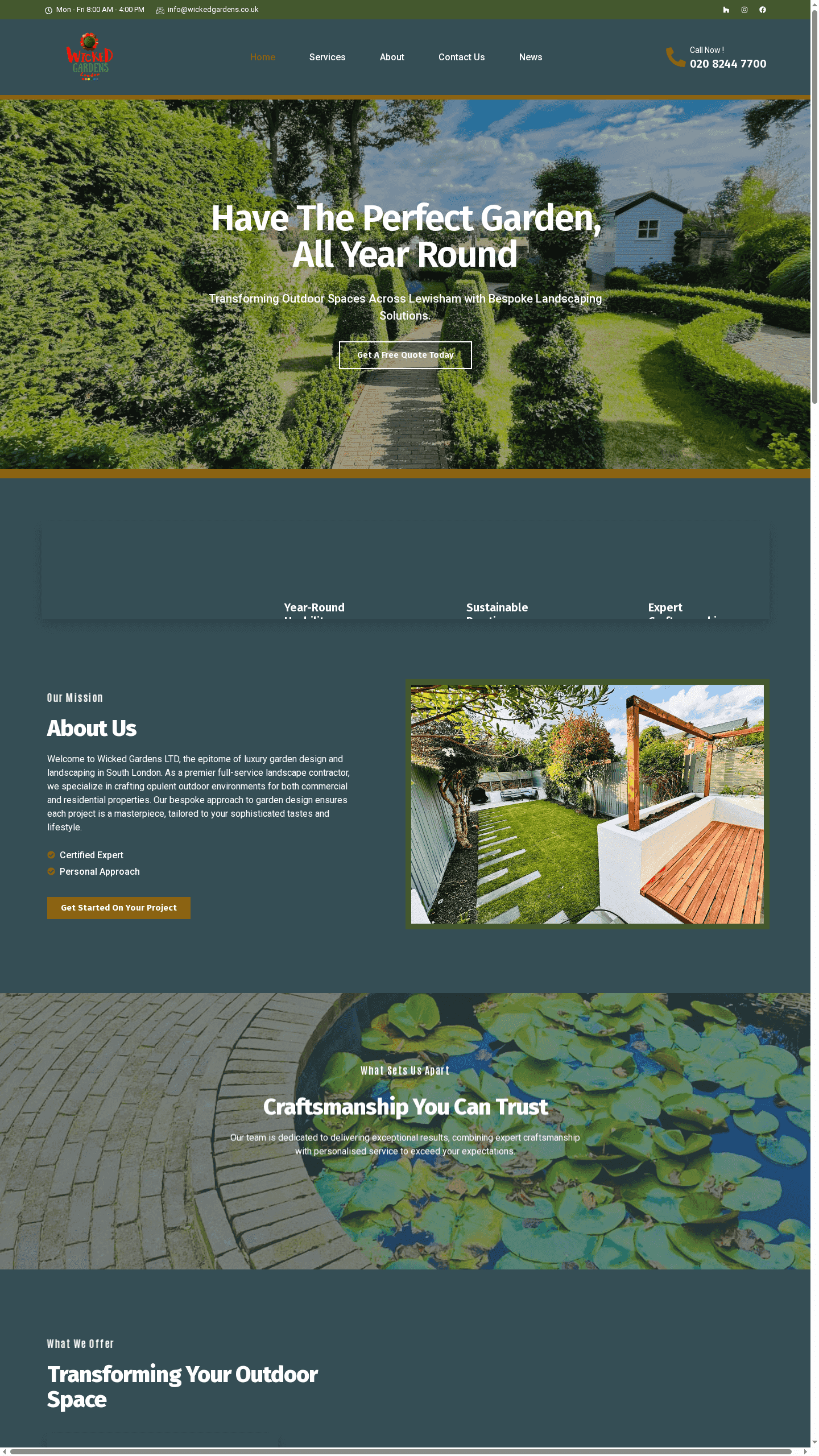
Explore our range of services including eco friendly planting schemes, permeable paving, bespoke decking, rainwater harvesting, and living walls tailored specifically for affluent London homes. By partnering with Wicked Gardens LTD you benefit from our award winning craftsmanship, dedication to quality, and commitment to using sustainable materials all supported by a customer focused approach. Start your journey toward a garden that is both a luxurious retreat and an ecological masterpiece today by visiting our Gardening Archives – Wicked Gardens page to discover inspired ideas and expert advice, or head straight to our homepage for a personal consultation and bespoke design quote.
Frequently Asked Questions
How can I incorporate native plants into my luxury London garden?
To incorporate native plants, select species that thrive in your local climate, such as hawthorn and bluebells. Begin by consulting local nurseries for expert recommendations and aim to create a varied planting scheme that offers year-round beauty.
What are the benefits of installing permeable paving in my garden?
Installing permeable paving enhances drainage by allowing rainwater to pass through, reducing surface runoff and preventing flooding. Consider integrating this system when planning new paths or patios to maintain healthy soil and protect nearby structures.
What types of eco-friendly lighting can I use in my garden?
You can use LED and solar-powered lights to create an eco-friendly lighting scheme in your garden. Focus on strategically placing these fixtures to minimise energy consumption and avoid disrupting local wildlife habitats.
How do I set up a rainwater harvesting system in my garden?
To set up a rainwater harvesting system, install collection points on roofs and terraces to capture rainfall. Plan to include an underground storage tank with a filtration system for effective irrigation through dry spells, optimising water usage all year round.
What steps can I take to create a pollinator-friendly planting area?
Design your planting areas by selecting native species that bloom at various times, such as lavender and foxgloves, to provide continuous food sources for pollinators. Group these plants together to create more effective feeding zones and reduce pesticide use to support healthy insect populations.
How can I incorporate a green roof or living wall into my garden design?
Incorporate a green roof or living wall by consulting a structural engineer to assess your building’s load-bearing capacity. Ensure proper waterproofing and drainage layers are included for long-term success, and choose suitable plant species for your vertical ecosystem.
Recommended
- Elevating London Gardens: How Professional Landscaping Transforms Outdoor Spaces – Wicked Gardens
- Landscaping South East London | Premium Gardens
- Sustainable Garden Design Lewisham
- 🌱 Eco-Friendly Landscaping: Sustainable Garden Design for London Homes – Wicked Gardens
- A Guide to Home and Garden Goods – STOMART.CO.UK