
Transforming a luxury garden in a London home takes more than vision and investment. Limited space, city climate challenges, and the need for sustainable choices can make creating your ideal outdoor retreat feel overwhelming. You want a stunning haven, but also one that is environmentally responsible and tailored for urban living.
This guide offers practical strategies that bring lasting impact to high-end urban gardens. From using sustainable materials and smart layouts to embracing vertical gardens and climate-ready planting, you’ll discover proven solutions backed by leading UK research. Each approach is designed to help you optimise your space, add value, and enjoy a beautiful garden that works for both you and nature.
Ready to find out how luxury gardens in London can be truly extraordinary? These insights will give you the confidence to make the most of your outdoor environment and inspire envy in every guest.
Table of Contents
- 1. Prioritise Sustainable Materials and Eco-Friendly Solutions
- 2. Maximise Small Spaces with Smart Layouts
- 3. Incorporate Vertical Gardens and Living Walls
- 4. Choose Planting to Suit London’s Climate
- 5. Invest in Elegant Outdoor Lighting
- 6. Create Zones for Relaxation and Entertaining
- 7. Use Premium Finishes for a High-End Look
Quick Summary
| Takeaway | Explanation |
|---|---|
| 1. Prioritise sustainable materials | Use eco-friendly materials like bamboo, reclaimed timber, and locally sourced stone to enhance resilience and reduce environmental impact. |
| 2. Maximise small garden spaces | Implement strategic layouts such as vertical gardening and multifunctional furniture to optimise compact outdoor areas. |
| 3. Incorporate vertical gardens | Transform walls into living surfaces using native plants and modular systems for ecological and aesthetic benefits. |
| 4. Choose climate-adaptive plants | Select heat-tolerant and drought-resistant plants to ensure garden sustainability amidst changing climate conditions. |
| 5. Invest in premium finishes | Use high-quality materials and craftsmanship to elevate design and value, ensuring long-term beauty and durability in garden spaces. |
1. Prioritise Sustainable Materials and Eco-Friendly Solutions
Urban garden design in luxury homes is no longer just about aesthetic appeal—it’s about creating environmentally responsible spaces that contribute positively to our urban ecosystem. Sustainable materials and eco-friendly solutions are now fundamental to sophisticated landscape design.
The UK construction industry is increasingly recognising the importance of sustainable materials like bamboo, mass timber, and innovative ecological solutions. These materials not only reduce environmental impact but also enhance the resilience and longevity of garden design projects.
Sustainable urban gardens are more than a trend—they’re a responsible approach to modern landscaping.
When selecting materials for your urban garden, consider these key sustainable options:
- Recycled composite decking that mimics natural wood
- Locally sourced stone with minimal transportation emissions
- Permeable paving that supports natural water drainage
- Reclaimed timber for structures and decorative elements
- Native plant species that require minimal maintenance
By choosing materials that have been sustainably sourced and processed, you can significantly reduce the carbon footprint of your garden design. These choices contribute to broader urban environmental goals, such as improving air quality and supporting local biodiversity.
The UK urban canopy cover research highlights how strategic material choices can transform urban spaces into green, resilient environments. Each sustainable decision contributes to a larger ecosystem of environmental responsibility.
Pro tip: Consult with a specialised landscape designer who understands sustainable material technologies to ensure your garden meets both aesthetic and ecological standards.
2. Maximise Small Spaces with Smart Layouts
Luxury urban garden design is not about size—it’s about intelligent spatial transformation. Even the most compact London garden can become a stunning, functional outdoor sanctuary with strategic planning and creative layout techniques.
Leading landscape experts like Professor Nigel Dunnett have demonstrated how thoughtful design can maximise limited urban spaces, turning modest areas into breathtaking green environments. The key lies in understanding spatial dynamics and employing innovative design strategies.
Small spaces require big imagination in garden design.
Consider these strategic approaches for maximising your urban garden layout:
- Vertical gardening to utilise wall and fence spaces
- Multifunctional furniture that doubles as storage and seating
- Layered planting with varying heights and depths
- Modular design elements that can be reconfigured
- Reflective surfaces to create illusion of expanded space
The RHS Gardening Report emphasises that smart garden layouts are not just about aesthetics but also support mental wellbeing and biodiversity. By creating diverse, carefully planned spaces, you transform a small garden into a rich, living ecosystem.
Effective spatial design involves understanding scale, proportion, and visual connectivity. Use lighter colours, transparent materials, and strategic lighting to make spaces feel larger and more interconnected.
Pro tip: Invest in compact, multipurpose garden furniture with built-in planters and hidden storage to maximise both functionality and aesthetic appeal.
3. Incorporate Vertical Gardens and Living Walls
Vertical gardens represent a revolutionary approach to urban landscaping, transforming blank walls and limited spaces into vibrant ecological canvases. These living walls are not merely decorative elements but powerful solutions for sustainable urban design.
Vertical urbanisation strategies are increasingly critical in dense metropolitan environments where ground-level green spaces are scarce. By utilising vertical surfaces, homeowners can create stunning ecological features that provide multiple environmental benefits.
A vertical garden is an investment in both beauty and urban ecosystem health.
Consider these key strategies for incorporating vertical gardens:
- Modular planting systems that allow flexible configurations
- Self-watering technologies to simplify maintenance
- Native plant selections that support local biodiversity
- Integrated irrigation mechanisms
- Lightweight growing mediums that reduce structural stress
The Council on Vertical Urbanism emphasises that vertical gardens are more than aesthetic installations. They provide critical ecological services such as:
- Temperature regulation
- Air quality improvement
- Noise reduction
- Habitat creation for urban wildlife
- Enhanced building insulation
Successful vertical garden design requires understanding microclimate conditions, plant selection, and structural considerations. Consider consulting landscape professionals who specialise in these intricate ecological installations.
Pro tip: Select drought-resistant and low-maintenance plant species that can thrive in vertical environments with minimal intervention.
4. Choose Planting to Suit London’s Climate
London’s urban landscape demands a strategic approach to planting, where garden design meets climate resilience. Selecting the right plants is not just about aesthetic appeal but about creating sustainable ecosystems that can withstand shifting environmental conditions.
Urban forestry experts recommend a data-driven approach to plant selection that anticipates London’s evolving climate patterns. Understanding these dynamics is crucial for designing gardens that will thrive in increasingly unpredictable conditions.
Climate-adaptive planting is the cornerstone of future-proof garden design.
Consider these critical factors when selecting plants for your London garden:
- Heat-tolerant species that can survive warmer summers
- Drought-resistant perennials
- Native plants with established local resilience
- Deep-rooted varieties that access underground moisture
- Multi-season flowering plants
The Greater London Authority’s research highlights the importance of selecting tree and plant species capable of withstanding anticipated climate conditions by 2090. This forward-thinking approach ensures your garden remains vibrant and functional through environmental shifts.
Key plant families that perform exceptionally well in London’s microclimate include:
- Mediterranean herbs
- British native wildflowers
- Ornamental grasses
- Succulent species
- Shade-tolerant woodland plants
By choosing plants strategically, you can create a garden that is not just beautiful but ecologically intelligent and adaptable.
Pro tip: Consult local horticultural experts or conduct microclimatic surveys of your specific garden location to identify the most suitable plant species for your exact conditions.
5. Invest in Elegant Outdoor Lighting
Outdoor lighting transforms urban gardens from mere functional spaces into enchanting nocturnal landscapes. Beyond mere illumination, sophisticated lighting design creates atmosphere, extends usable garden hours, and enhances architectural and botanical features.
Ecological lighting strategies are crucial in modern garden design, balancing aesthetic appeal with environmental sensitivity. Thoughtful illumination can highlight garden features while minimising disturbance to local wildlife.
Intelligent lighting design turns your garden into a magical evening sanctuary.
Consider these strategic lighting approaches:
- Low-voltage LED systems for energy efficiency
- Layered lighting techniques creating depth and drama
- Motion-sensor security lighting
- Colour-changing smart lighting
- Solar-powered pathway markers
The Royal Horticultural Society emphasises that effective lighting schemes enhance garden functionality. Strategically placed lights can:
-
Extend evening entertainment possibilities
-
Improve garden safety
-
Highlight architectural garden elements
-
Create visual depth and intrigue
-
Showcase carefully curated planting
Garden lighting design requires a nuanced approach. Consider consulting professional landscape designers who understand both aesthetic and ecological lighting principles.
Pro tip: Install dimmable, programmable lighting systems that can be adjusted seasonally and controlled via smartphone for maximum flexibility and energy efficiency.
6. Create Zones for Relaxation and Entertaining
Urban gardens are more than just green spaces—they are versatile outdoor rooms that can seamlessly transition between relaxation, entertainment, and personal sanctuary. Thoughtful zoning transforms limited square metres into multifunctional environments that enhance lifestyle and wellbeing.
Design principles from urban planning emphasise creating flexible outdoor spaces that support diverse activities while maintaining aesthetic coherence.
A well-designed garden is an extension of your home, not just a patch of greenery.
Consider establishing distinct zones through strategic design techniques:
- Raised decking areas for dining and socialising
- Secluded seating nooks for private relaxation
- Pergola-covered lounging spaces
- Multi-level garden platforms
- Dedicated meditation or yoga areas
The Royal Horticultural Society highlights that well-defined garden zones support mental wellbeing. Each area should have a clear purpose while maintaining visual harmony.
Key considerations for creating effective garden zones include:
- Thoughtful furniture placement
- Natural screening with plants
- Varied surface materials
- Consistent design language
- Seamless transitions between spaces
Urban garden design is about creating experiences, not just arranging objects. Consider how each zone will be used throughout different times of day and seasons.
Pro tip: Use portable, lightweight furniture and movable planters to allow dynamic reconfiguration of your garden zones as your entertaining needs change.
7. Use Premium Finishes for a High-End Look
Luxury garden design transcends mere plant selection—it’s about curating an immersive experience through meticulously chosen premium finishes. Every surface, texture, and material contributes to creating a sophisticated outdoor sanctuary that reflects discerning taste and architectural elegance.
Landscape design professionals emphasise that premium finishes are not just aesthetic choices but strategic investments in your property’s overall value and visual narrative.
Quality finishes transform gardens from ordinary spaces into extraordinary experiences.
Consider these premium finish strategies:
- Handcrafted natural stone paving
- Bespoke metalwork and garden sculptures
- High-end contemporary outdoor furniture
- Precision-cut architectural planters
- Custom water features with refined materials
The Royal Horticultural Society highlights that premium finishes enhance both visual appeal and durability. These carefully selected elements create a cohesive design language that elevates your entire outdoor space.
Key considerations for selecting premium finishes include:
- Material sustainability
- Craftsmanship quality
- Long-term performance
- Aesthetic compatibility
- Maintenance requirements
Understanding that luxury garden design is an art form will help you make informed choices that reflect your personal style and environmental consciousness.
Pro tip: Invest in timeless, high-quality materials that age gracefully and develop a rich patina, creating a sense of established elegance in your garden.
Below is a comprehensive table summarising the key strategies and recommendations discussed throughout the article about principles for designing luxury urban gardens effectively while promoting sustainability and ecological consideration.
| Design Aspect | Recommendations | Benefits |
|---|---|---|
| Sustainable Materials | Use recycled composite decking, locally sourced stones, permeable paving, reclaimed timber, native plants. | Reduces carbon footprint, supports biodiversity, and improves environmental quality. |
| Maximising Space | Employ vertical gardening, multifunctional furniture, layered planting, modular elements, and reflective surfaces. | Enhances usability of compact spaces while promoting visual and functional effectiveness. |
| Vertical Gardens | Integrate modular planting systems, self-watering technology, lightweight growing mediums, and native plants. | Creates living walls that improve air quality, support wildlife, and enhance urban aesthetics. |
| Climate-Adaptive Planting | Select drought-resistant species, native plants, and deep-rooted varieties. | Ensures resilience to climate fluctuations and sustains long-term garden health. |
| Premium Outdoor Lighting | Implement LED systems, motion-sensors, solar markers, and programmable lighting designs. | Balances beauty and functionality while maintaining ecological sensitivity and efficiency. |
| Designated Functional Zones | Create raised decking, secluded nooks, pergola spaces, and meditation areas. | Adds versatility, enhances utilisation, and promotes mental well-being. |
| High-End Finishes | Invest in natural stone paving, bespoke metalwork, and high-quality furniture. | Elevates the garden’s aesthetic appeal and aligns with luxury design principles. |
Elevate Your Urban Garden with Wicked Gardens
Transforming a limited outdoor space into a luxurious, sustainable sanctuary can be challenging. This article highlights key urban garden design tips such as prioritising eco-friendly materials, maximising small spaces with smart layouts, and incorporating vertical gardens—strategies that demand expert knowledge and bespoke solutions to bring them perfectly to life. If you seek to overcome the common pain points of material sustainability, spatial optimisation, and climate-adaptive planting, Wicked Gardens LTD offers tailored services to address these exact needs.
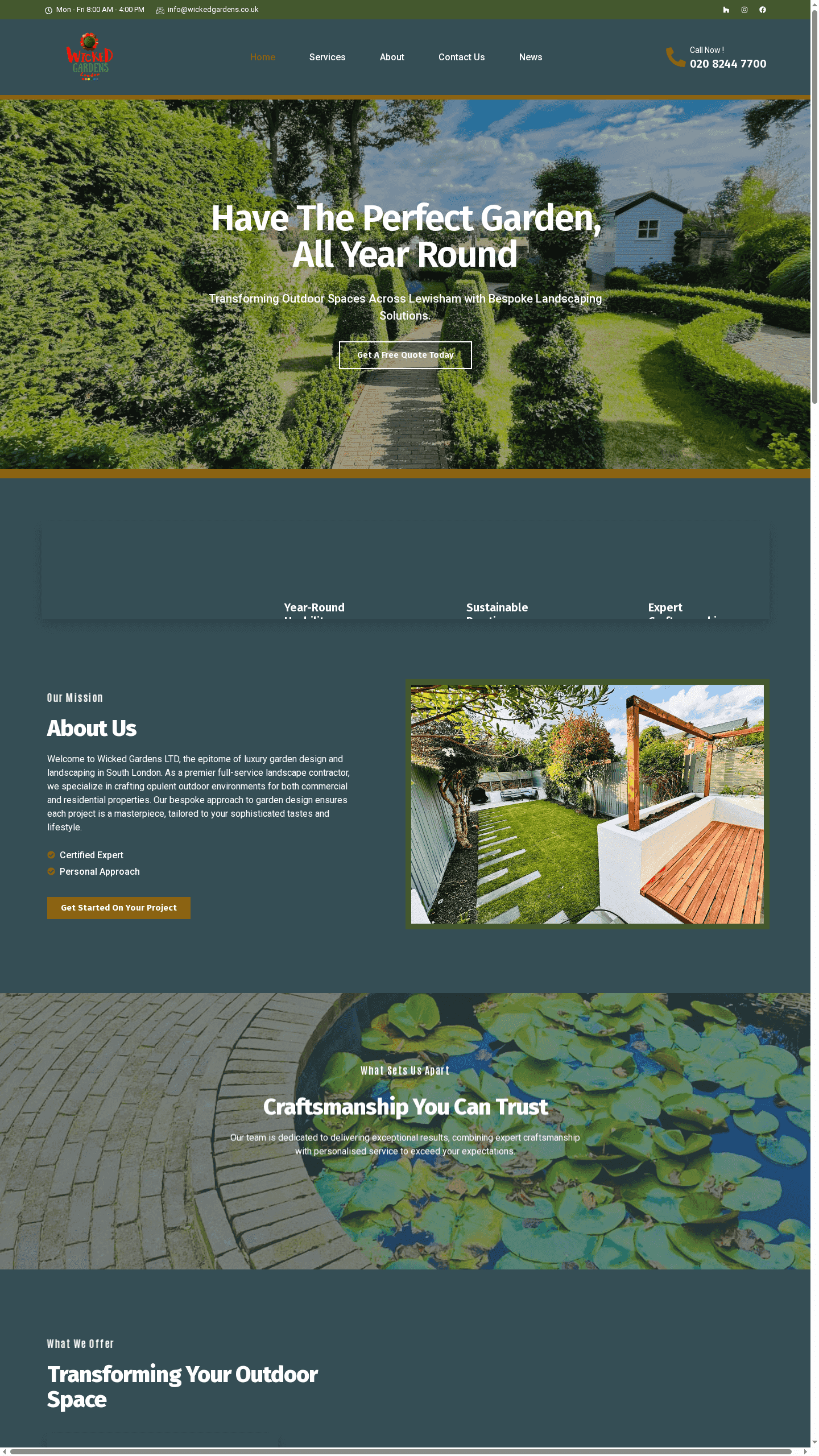
Explore our dedicated approach to high-end garden design that seamlessly blends luxury with ecological responsibility. From innovative living walls to elegant outdoor lighting, our bespoke landscaping services in London are designed to create stunning, resilient gardens that reflect your unique lifestyle and environmental values. Visit Gardening Archives – Wicked Gardens to see how our expert solutions can help you realise your dream urban garden. Take the first step with us today at Wicked Gardens LTD and let’s craft a garden that truly stands apart.
Frequently Asked Questions
What are the key sustainable materials for luxury urban garden design?
To prioritise sustainability in your urban garden, consider materials such as bamboo, mass timber, and recycled composite decking. Choose options that are locally sourced and environmentally friendly, aiming to create a garden that reduces your carbon footprint while enhancing its longevity.
How can I maximise the use of small spaces in my urban garden?
Maximise small garden areas by implementing clever layouts that include vertical gardening and multifunctional furniture. For example, use vertical planters and benches with storage to create a practical and visually appealing space.
What techniques are essential for incorporating vertical gardens in urban designs?
Use modular planting systems and lightweight growing mediums to successfully incorporate vertical gardens. Ensure that your design includes an integrated irrigation system to simplify maintenance and enhance plant vitality.
How do I choose the right plants for my garden considering London’s climate?
Select heat-tolerant and drought-resistant plants that thrive in London’s changing climate. Opt for native species and deep-rooted varieties that can access moisture, ensuring your garden remains vibrant throughout the seasons.
What lighting features should I consider for my urban garden?
Invest in low-voltage LED systems and layered lighting techniques to create a magical atmosphere in your garden. Use motion-sensor lights for safety and highlight key garden features to extend the enjoyment of your outdoor space into the evening.
How can I create distinct zones for relaxation and entertaining in my garden?
Establish separate areas for dining and relaxation through strategic design choices like raised decking and natural screening with plants. Ensure each zone has a clear purpose while maintaining visual harmony to create an effortless flow throughout your garden.
Recommended
- Top Tips for a Low-Maintenance Garden That Always Looks Stunning – Wicked Gardens
- Small Garden Design Ideas London
- Maximising Your Outdoor Space: Garden Design Tips for Every Budget – Wicked Gardens
- Small Garden, Big Potential: How to Make the Most of Your Outdoor Space – Wicked Gardens
- 7 Urban Kitchen Design Ideas for Small Spaces
- 7 Best Small Space Decorating Ideas for Urban Homes – FunLifeNow
- 5 Ideas for a More Earth-Friendly Garden (5 photos) | Shutter World